Phoenix Mid-Century Modern Remodeling
Phoenix contains one of the richest collections of mid-century modern architecture in the American Southwest. Across North Central Phoenix, Arcadia Lite, Encanto-area neighborhoods, Marlen Grove, Windsor Square, Paradise Gardens, Town & Country communities, and countless ranch neighborhoods developed between the 1940s and 1970s, homeowners continue preserving and modernizing homes that helped shape the architectural identity of the city itself.
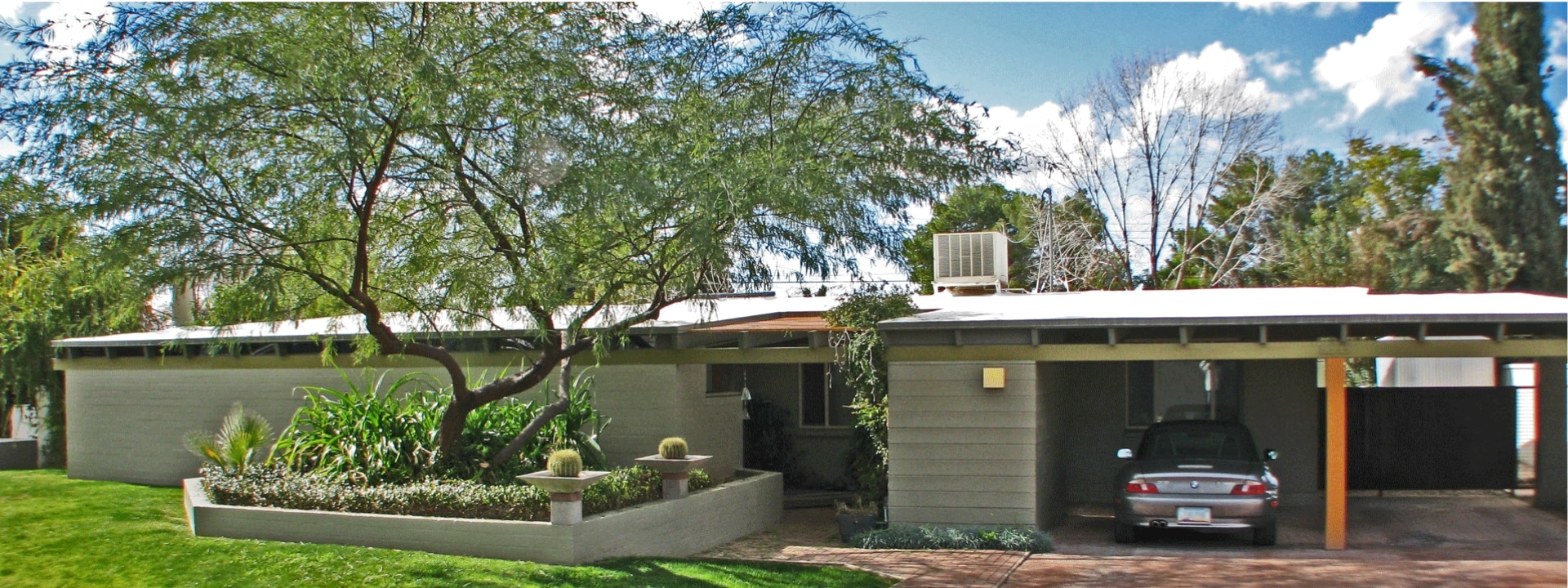
These homes were designed around simplicity, proportion, natural light, and connection to the desert environment. Long horizontal rooflines, post-and-beam structure, clerestory windows, masonry block walls, broad overhangs, and carefully balanced indoor-outdoor relationships created homes that still feel remarkably modern decades later. Unlike many newer homes built around visual excess or isolated interior living, mid-century homes in Phoenix were often designed to feel open, calm, functional, and environmentally responsive.
Yet many of these homes now require thoughtful modernization to support modern living expectations. Kitchens were often small and compartmentalized. Bathrooms were highly utilitarian. Original glazing systems struggle with Arizona heat. Electrical systems, plumbing infrastructure, insulation, and HVAC systems frequently require significant upgrades. Families today often want larger entertaining spaces, more connected living areas, improved comfort, stronger indoor-outdoor integration, guest accommodations, and modern functionality while still preserving the architectural integrity that made the home special in the first place.
That balance is where preservation-sensitive mid-century modernization becomes essential.
At Homework Remodels, we specialize in remodeling architecturally significant homes throughout Phoenix with a design-build process focused on protecting original character while carefully adapting homes for contemporary living. Many homeowners beginning the planning process first explore our broader Mid-Century Modern Home Remodeling hub to better understand how thoughtful modernization differs from conventional remodeling.
Why Phoenix Became a Mid-Century Modern Landmark
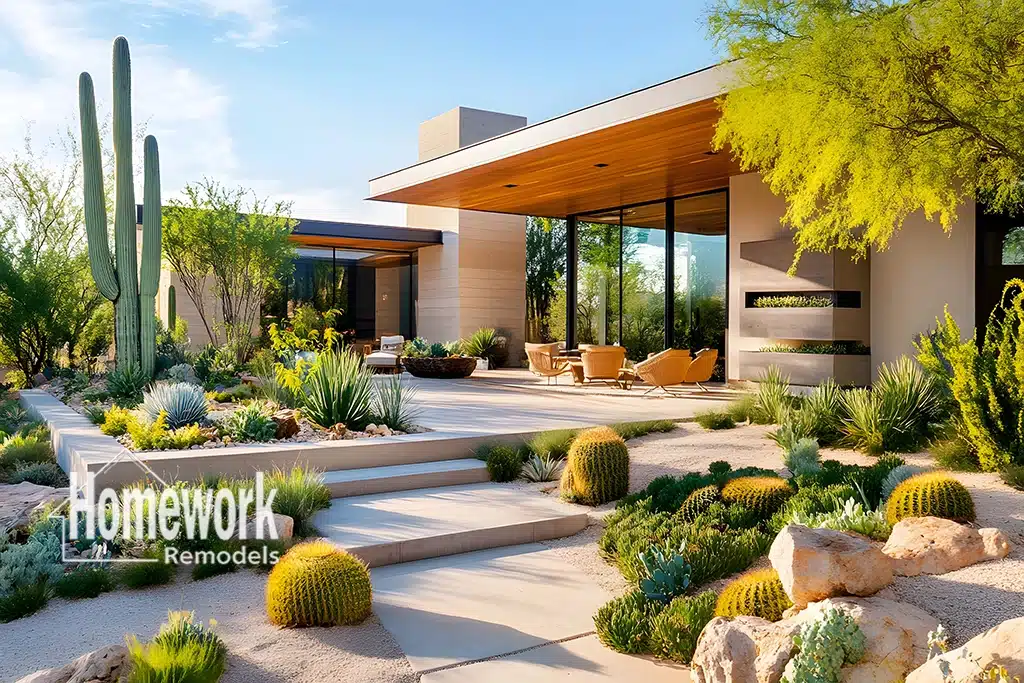
Phoenix experienced explosive growth during the same decades that modernist residential architecture flourished across the Southwest. Builders and architects embraced design strategies that responded naturally to the Sonoran Desert climate rather than isolating homeowners from it. Homes emphasized openness, filtered daylight, breezeways, shaded patios, and strong visual connection to the surrounding landscape.
Architects such as Ralph Haver and Al Beadle helped define many of the neighborhoods that continue attracting preservation-minded homeowners today. Haver’s ranch homes emphasized clean geometry, broad overhangs, clerestory lighting, and practical livability, while Beadle introduced a more refined desert modernism centered around steel framing, dramatic glazing, and restrained material palettes.
These homes were never intended to feel formal or overly decorative. Their architecture focused instead on:
- visual clarity
- indoor-outdoor living
- structural honesty
- restrained detailing
- natural material integration
- environmental responsiveness
Many homeowners researching the architectural roots of preservation-sensitive remodeling continue exploring our Mid-Century Modern Home Remodeling Guide for deeper insight into modernization philosophy and architectural planning strategies.
Preserving Architectural Character During Remodeling
One of the greatest challenges in remodeling Phoenix mid-century homes is preserving the qualities that make the architecture feel timeless while introducing modern functionality and comfort.
Mid-century homes depend heavily on proportion, structure, material restraint, natural light, and visual rhythm. Once those relationships are disrupted, the home can quickly lose its architectural identity. Poorly planned remodeling projects often erase the calm simplicity that originally defined the architecture by introducing excessive ornamentation, oversized additions, busy finish selections, or visually disconnected layouts.
Thoughtful modernization instead focuses on preserving the architectural DNA of the home while improving daily livability. That often means maintaining exposed beams, low rooflines, clerestory windows, long sightlines, and indoor-outdoor transitions while carefully integrating updated systems, larger kitchens, spa-style bathrooms, expanded storage, improved glazing, and better energy performance.
In many Phoenix mid-century homes, the architecture depends on subtle visual relationships that are easy to overlook during remodeling. Ceiling planes frequently extend uninterrupted from one living space to another, creating a sense of openness and calm continuity. Window placement was often carefully designed to frame desert light while protecting privacy and limiting solar heat gain. Roof overhangs were proportioned to shade glass while still allowing natural daylight to enter the home throughout the day. Even masonry block patterns, beam spacing, and material transitions contributed to the overall balance of the architecture.
When remodeling projects ignore those relationships, the home can begin to feel visually fragmented. Oversized islands, bulky cabinetry, heavily patterned materials, decorative lighting overload, or poorly proportioned additions may technically modernize the home while simultaneously weakening the architectural clarity that made the property special originally.
Successful mid-century modernization therefore requires a more restrained and architectural approach to decision-making. In many cases, the strongest remodeling solutions are not the loudest visual statements. They are the subtle improvements that quietly enhance how the home functions while preserving the simplicity, openness, and visual discipline of the original design.
This becomes especially important during structural remodeling. Removing walls in mid-century homes often affects much more than circulation. Structural modifications can influence ceiling continuity, beam relationships, lighting balance, roof loads, and long interior sightlines that define the character of the home itself. Thoughtful planning helps ensure that openness improves without making the architecture feel visually unstable or disconnected.
Material selection also plays a major role in preservation-sensitive remodeling. Mid-century homes often respond best to warm natural materials, restrained textures, integrated lighting, and carefully controlled transitions between surfaces. The goal is rarely to recreate the past exactly as it was, but rather to modernize the home in ways that still feel architecturally appropriate to its original era and design language.
Many homeowners throughout Phoenix also prioritize improving comfort and energy performance without disrupting the visual simplicity of the home. Modern glazing systems, upgraded insulation, efficient HVAC systems, and improved lighting design can dramatically improve livability when integrated carefully and discreetly into the architecture.
Successful remodeling projects typically rely more on restraint than dramatic reinvention. Many homeowners evaluating preservation-sensitive projects continue researching our approach to mid-century modern design-build remodeling to better understand how integrated planning protects architectural integrity during major renovations.
Remodeling Mid-Century Neighborhoods Throughout Phoenix
Phoenix contains an unusually diverse collection of mid-century neighborhoods, each with its own architectural personality and remodeling considerations. Some neighborhoods emphasize post-and-beam structure and clerestory lighting. Others focus on low ranch geometry, masonry block construction, or stronger integration with outdoor living spaces.
Marlen Grove remains one of the city’s most recognized Ralph Haver neighborhoods and contains homes celebrated for their clean lines, exposed structure, and architectural simplicity. Many remodeling projects in this area focus on preserving original roof geometry, improving kitchen integration, upgrading systems, and carefully modernizing interiors without erasing the home’s original character.
Paradise Gardens reflects a more dramatic desert modernism associated with Al Beadle’s architectural influence. Homes in this area often emphasize expansive glazing, butterfly rooflines, visual openness, and stronger integration with the surrounding landscape. Remodeling projects frequently require careful structural coordination to preserve those defining characteristics during modernization.
Windsor Square and Encanto-area neighborhoods combine mid-century design with mature landscaping, larger lots, and historically layered architectural character. Many homeowners in these communities prioritize preservation-sensitive updates that maintain neighborhood authenticity while improving functionality and long-term livability.
Town & Country Manor, Northwood Homes, Arcadia Lite, and other ranch-oriented neighborhoods often present opportunities for open-concept remodeling, improved circulation, architecturally integrated additions, and stronger indoor-outdoor entertaining spaces while preserving the simplicity that originally defined the homes.
Many homeowners researching neighborhood-specific modernization opportunities continue exploring Marlen Grove mid-century modern remodeling and Windsor Square mid-century modern remodeling for additional architectural guidance and inspiration.
Open-Concept Remodeling in Phoenix Mid-Century Homes
Many original Phoenix mid-century homes were designed with kitchens separated from gathering spaces and smaller rooms organized around more compartmentalized lifestyles. Modern homeowners often want more connected living environments that support entertaining, family interaction, and improved circulation.
Opening these homes successfully requires far more than simply removing walls. Structural relationships, roof loads, beam systems, lighting continuity, and long sightlines all influence how the architecture feels once spaces are reconfigured.
The strongest open-concept remodeling projects preserve the calm visual rhythm of the original home while improving functionality and flow. Structural engineering often becomes a major component of these projects because hidden beams or carefully integrated supports may be necessary to preserve openness without compromising the integrity of the structure.
Homeowners evaluating these types of transformations frequently continue exploring our guidance on planning open-concept living spaces to better understand how thoughtful structural coordination can improve circulation while protecting architectural balance.
Kitchen Remodeling for Mid-Century Homes
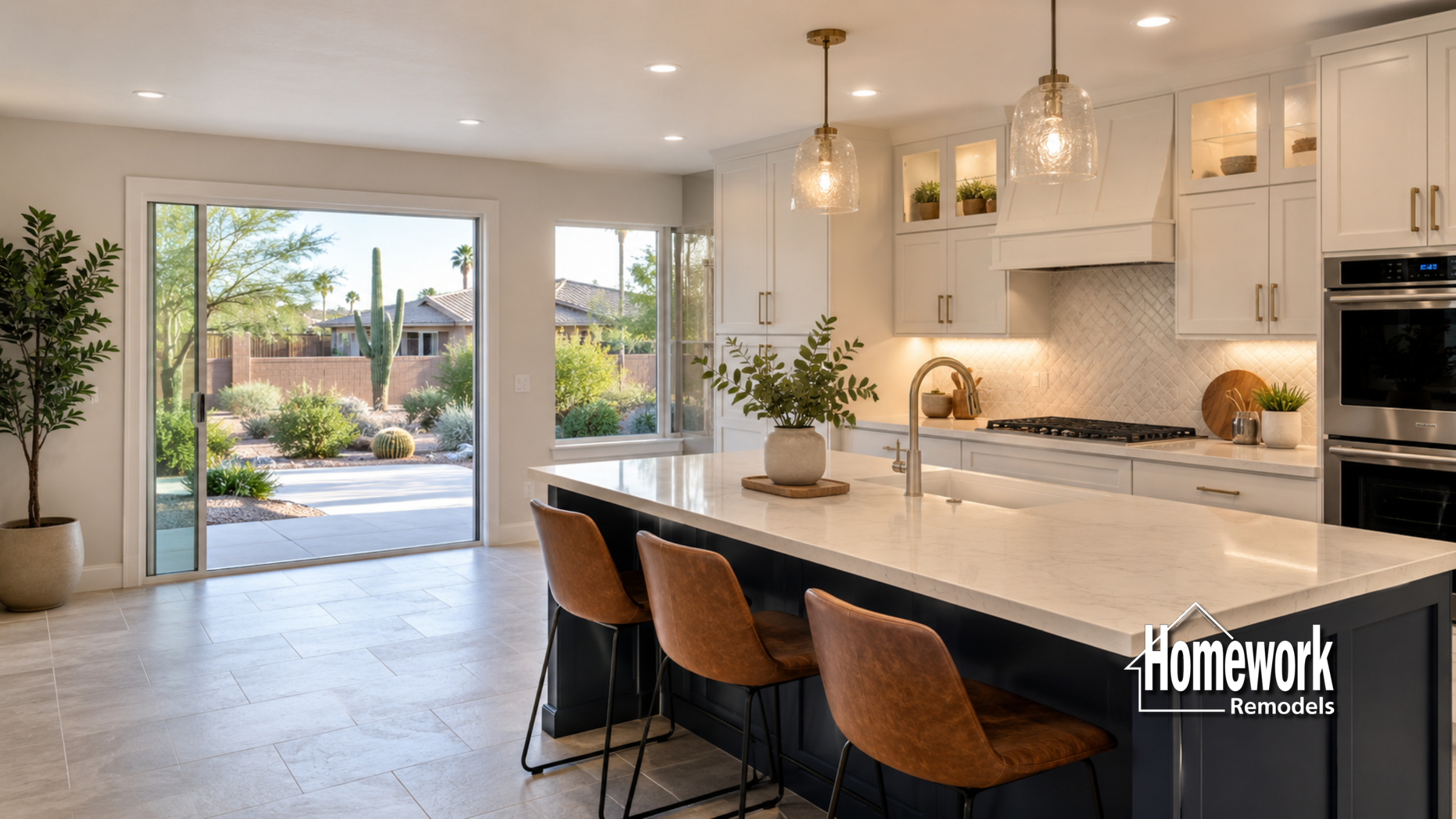
Many original Phoenix mid-century kitchens were designed around compact footprints and simpler appliance needs than modern homeowners typically expect today. Remodeling projects frequently focus on improving storage, integrating appliances more effectively, increasing natural light, and creating stronger connection between kitchens and gathering spaces.
The best mid-century kitchens maintain architectural restraint rather than competing visually with the surrounding home. Slab-front cabinetry, warm wood textures, integrated storage, thin-profile surfaces, understated lighting, and clean horizontal lines often produce more authentic results than highly decorative contemporary kitchen styles.
Many kitchen remodeling projects also involve carefully coordinated structural modifications designed to improve openness while preserving original rooflines, ceiling continuity, and visual proportions.
Homeowners researching preservation-sensitive kitchen modernization frequently continue reviewing our broader approach to improving kitchen flow and functionality while planning long-term remodeling goals.
Bathroom Remodeling with Mid-Century Simplicity
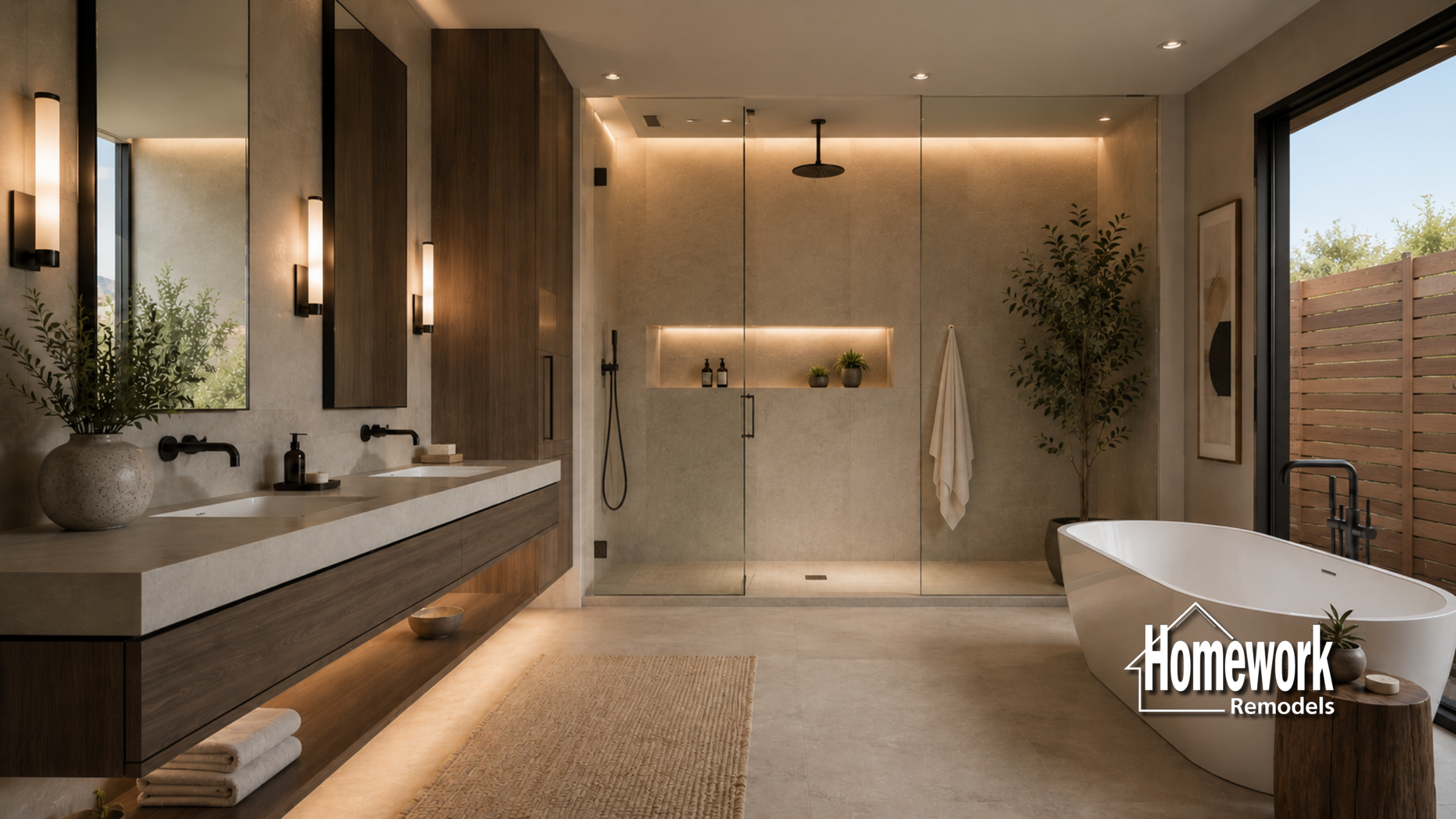
Bathrooms in many original Phoenix mid-century homes were compact and highly functional by the standards of their era. Today’s homeowners often want larger showers, expanded storage, improved lighting, dual vanities, and stronger indoor comfort while still preserving the architectural restraint associated with authentic mid-century design.
Successful bathroom modernization projects frequently focus on visual simplicity rather than heavy decoration. Floating vanities, frameless glass, curbless showers, large-format tile, indirect lighting, and warm natural materials often feel more architecturally integrated than trend-heavy finishes or overly ornate fixtures.
Many homeowners also prioritize improving natural light, ventilation, and spatial openness so bathrooms feel calmer and more connected to the overall architectural language of the home.
Homeowners evaluating larger modernization projects often continue exploring our approach to architecturally integrated bathroom remodeling to better understand how bathroom upgrades connect to broader whole-home remodeling strategies.
Designing Additions That Respect the Original Architecture
One of the most difficult aspects of remodeling Phoenix mid-century homes involves designing additions that feel naturally connected to the original structure rather than visibly attached afterward.
Poorly designed additions can quickly disrupt roofline continuity, glazing rhythm, structural symmetry, massing relationships, and the clean geometry that originally defined the home. Successful additions require careful architectural study and restraint.
Many homeowners throughout Phoenix now want:
- expanded kitchens
- larger primary suites
- guest accommodations
- detached casitas
- home offices
- multigenerational living spaces
- indoor-outdoor entertaining areas
while preserving the visual simplicity and architectural clarity that made the original property desirable in the first place.
Successful additions often depend on subtle roof transitions, carefully integrated glazing systems, proportional massing, and restrained material continuity that allows the new spaces to feel naturally connected to the original architecture.
Homeowners exploring flexible living solutions frequently continue researching our resources on casitas and guest house additions when evaluating how additional space can be integrated thoughtfully into mid-century homes.
The Design-Build Advantage for Mid-Century Remodeling
Mid-century homes may appear visually simple, but remodeling them successfully often involves substantial coordination behind the scenes. Structural engineering, HVAC redesign, glazing upgrades, insulation improvements, slab modifications, lighting integration, roof coordination, permitting, and architectural detailing all affect one another during construction.
Fragmented remodeling processes frequently create problems because architectural decisions become disconnected from structural realities or budgeting considerations. That disconnect can compromise both architectural integrity and long-term project quality.
Our design-build process was developed specifically to improve coordination throughout architecturally sensitive remodeling projects. Design development, engineering, budgeting, selections, permitting, and construction sequencing evolve together from the earliest planning stages through final construction.
This integrated approach becomes especially important when projects involve structural wall removal, low-slope roof systems, open-concept conversions, architecturally sensitive additions, or whole-home modernization. Many homeowners planning larger transformations continue exploring our Core Guides for remodeling planning to better understand budgeting, preconstruction, and long-term remodeling strategy.
Featured Mid-Century Remodeling Projects in Phoenix
Over the years, Homework Remodels has completed numerous preservation-sensitive remodeling projects throughout Phoenix that demonstrate how thoughtful modernization can improve functionality while respecting architectural heritage.
Our Marlen Grove Hobza kitchen remodel was featured on HGTV’s Bang for Your Buck and selected for the Modern Phoenix Home Tour. The project carefully modernized the kitchen with clean lines, improved circulation, integrated lighting, and period-sensitive materials while preserving the spirit of the original Ralph Haver architecture.
Additional projects throughout Arcadia Lite, Paradise Gardens, Windsor Square, and North Central Phoenix have focused on whole-home modernization, indoor-outdoor integration, architecturally sensitive additions, and open-concept transformations specifically designed for mid-century homes.
Homeowners frequently continue exploring our featured remodeling portfolio to see additional examples of preservation-sensitive modernization throughout Phoenix and the surrounding Metro area.
Ready to Modernize Your Phoenix Mid-Century Home?
The best mid-century remodeling projects preserve the architectural qualities that made the home timeless while improving how it supports modern living. Whether you are planning a kitchen remodel, whole-home modernization, structural reconfiguration, guest house addition, or indoor-outdoor transformation, Homework Remodels can help you approach the process with architectural sensitivity, careful planning, and long-term vision.
Many homeowners begin by scheduling a conversation through our Free Remodeling Consultation page to discuss their home, architectural goals, modernization priorities, and long-term plans for the property.
Homework Remodels proudly serves homeowners throughout Phoenix with thoughtful design-build remodeling focused on preservation-sensitive mid-century modernization.
AWARD WINNING HOME AND COMMERCIAL RENOVATION SERVICES
Got a project in mind? Let’s talk! We’re excited to help you make it happen.