
Vintage Asian-Inspired Kitchen Remodel in Phoenix
Transforming a 1950s Kitchen into a Bright, Functional Gathering Space
2019 NARI Contractor of the Year (CotY) Winner
Residential Kitchen Remodel | $30,000–$60,000

When a Small Kitchen Starts Holding You Back
The biggest limitation in a kitchen isn’t always size—it’s how the space works.
This 1950s home in Phoenix had character.
But the kitchen told a different story.
It felt dim, enclosed, and disconnected from the rest of the home. Storage was inefficient. Counter space was limited. And everyday tasks—cooking, baking, even simple meal prep—required constant adjustment.
What began as a plan to replace a failing stove quickly became something more.
An opportunity to rethink the entire space.
Not to make it bigger—but to make it better.
Projects like this reflect the power of kitchen remodeling in Phoenix, where thoughtful design can transform even the most compact spaces.
A Recognized Approach to Design-Build Remodeling
This project was recognized with the 2019 NARI Contractor of the Year award, highlighting excellence in both design and execution.
More importantly, it reflects the value of a coordinated process.
Because the remodel involved layout changes, cabinetry design, lighting improvements, and infrastructure upgrades, every decision needed to align from the beginning. This level of integration is central to design-build remodeling in Phoenix, where planning and construction evolve together.
Opening the Kitchen to Light and Connection
The most impactful change came from removing a barrier.
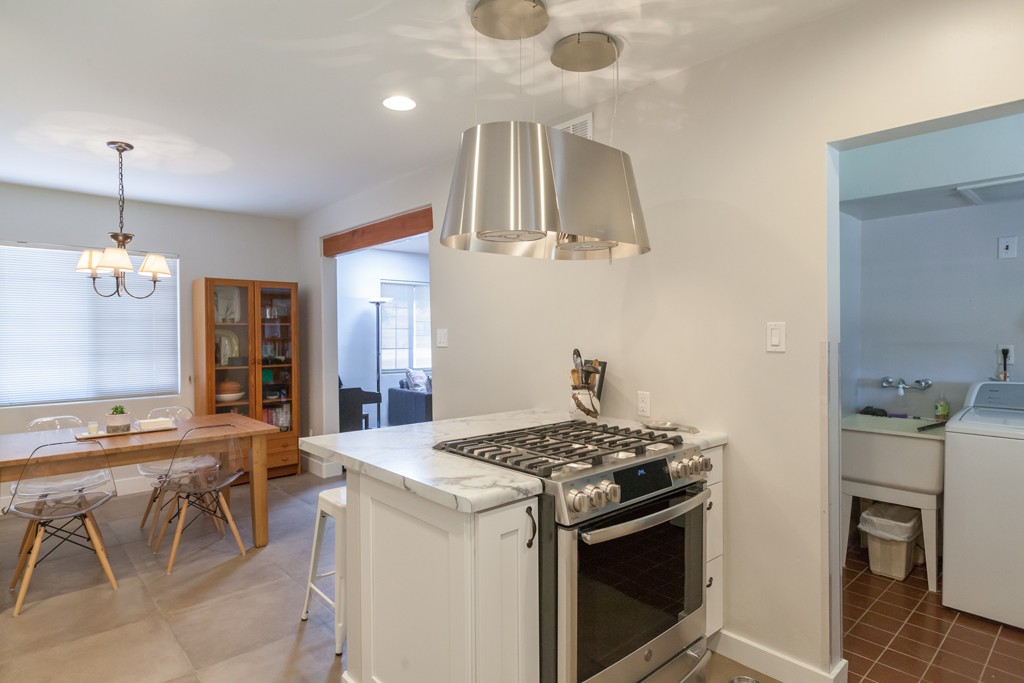
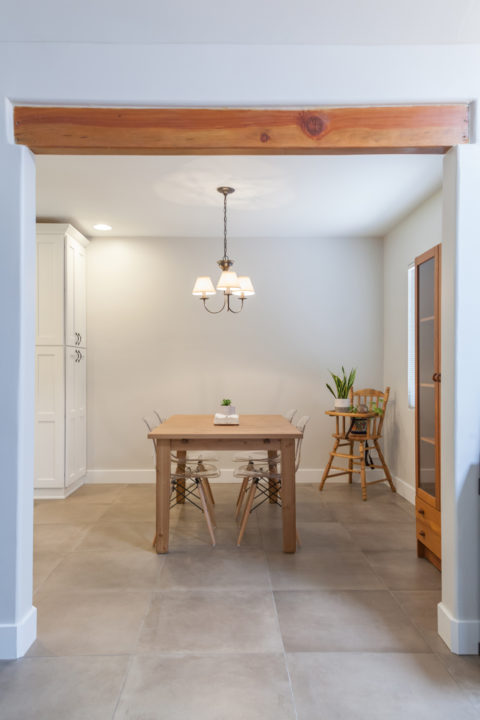
A wall of cabinets once separated the kitchen from the dining room, limiting both natural light and interaction. Eliminating that wall transformed the entire experience of the space.
Light now moves freely between rooms. Sightlines extend beyond the kitchen. And the homeowner can remain connected to guests while cooking.
What was once enclosed now feels open and welcoming.
This type of transformation reflects the principles behind open concept remodeling in Phoenix, where connection often matters more than square footage.
A Peninsula That Redefines Function
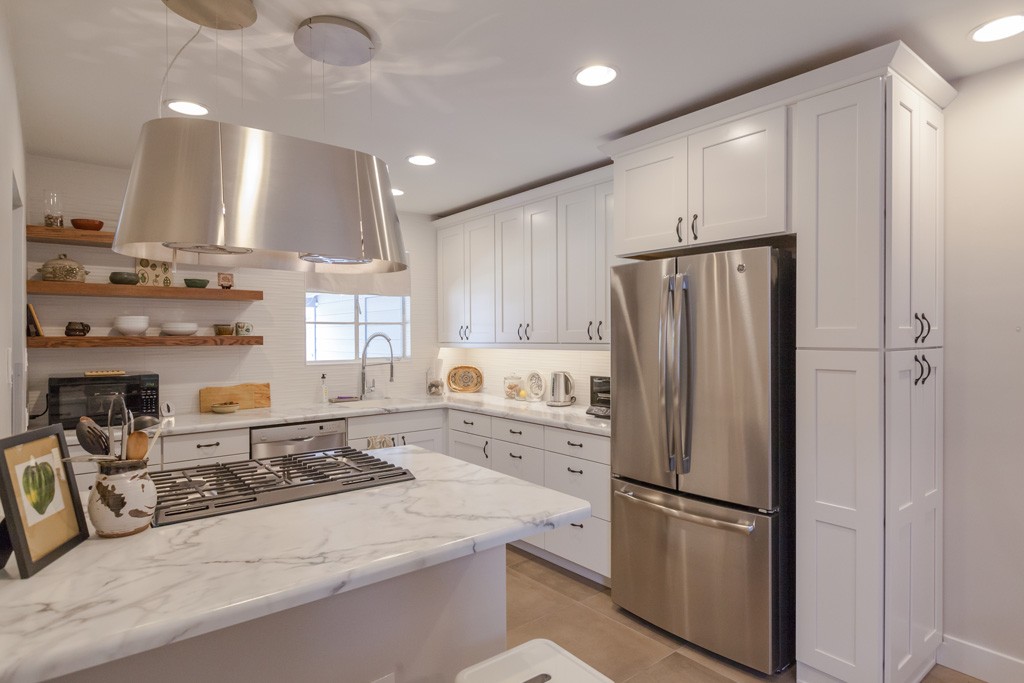
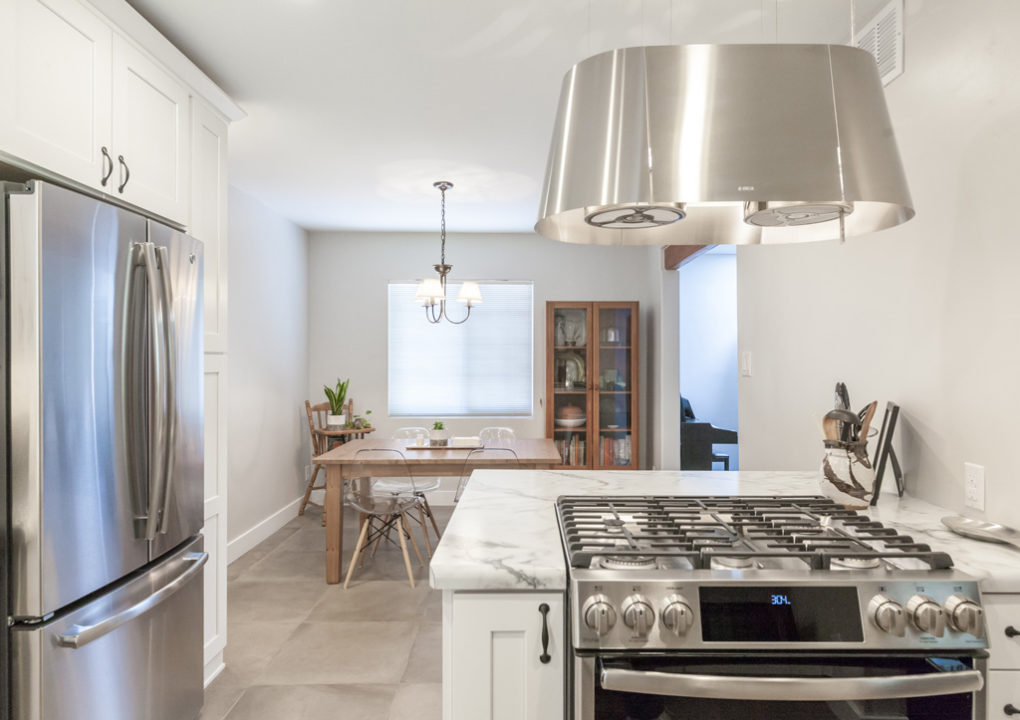
With the wall removed, the design introduced a peninsula that extends into the dining area.
This single feature changes how the kitchen works.
It creates valuable countertop space for baking and food preparation. It introduces seating, allowing the space to support conversation and gathering. And it defines the transition between kitchen and dining without closing it off.
The peninsula becomes the center of activity—supporting both function and connection.
Cabinetry That Brightens and Simplifies
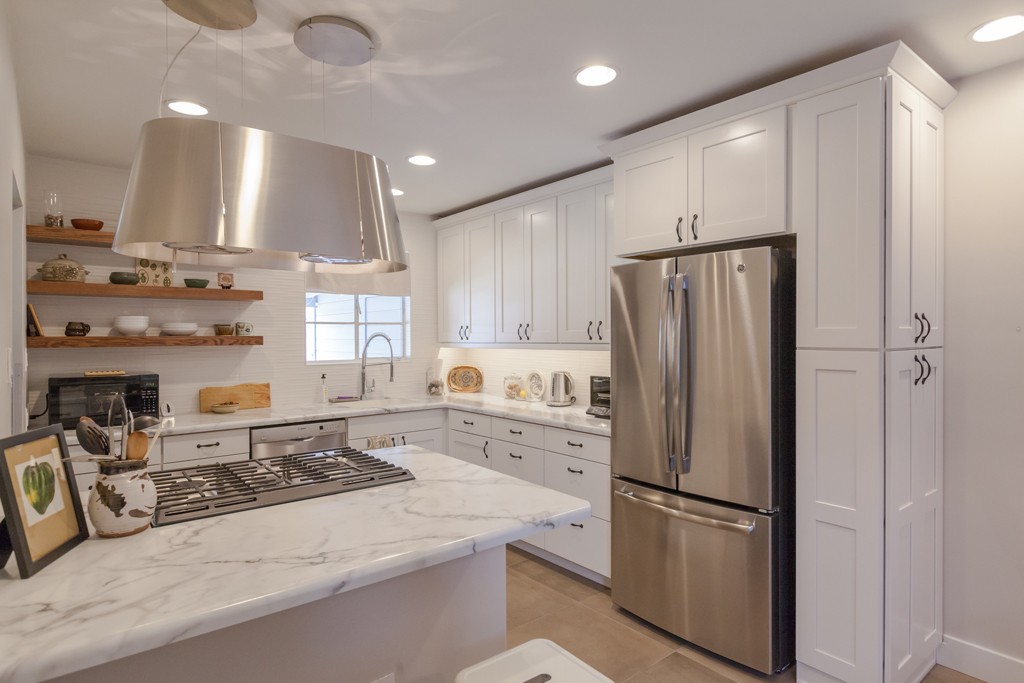
The cabinetry establishes the foundation of the new design.
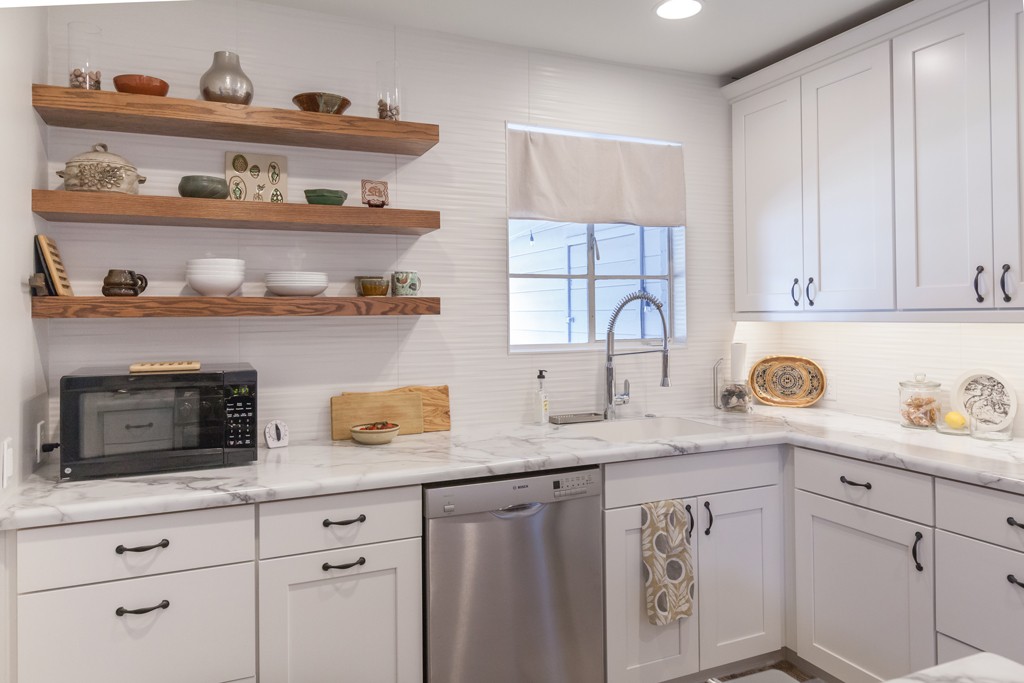
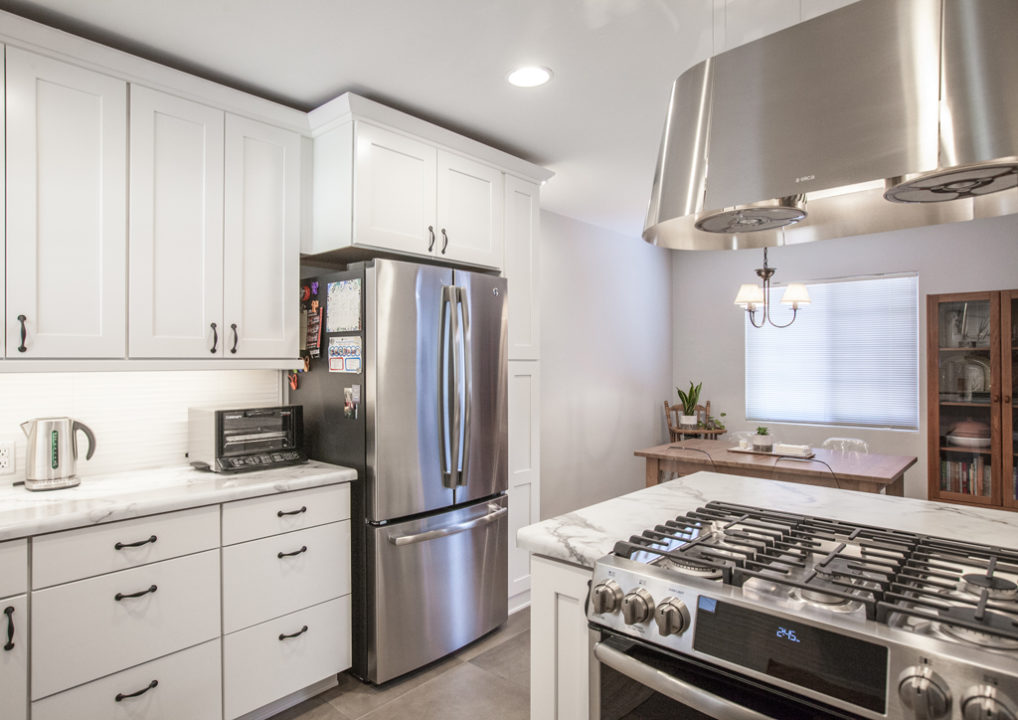
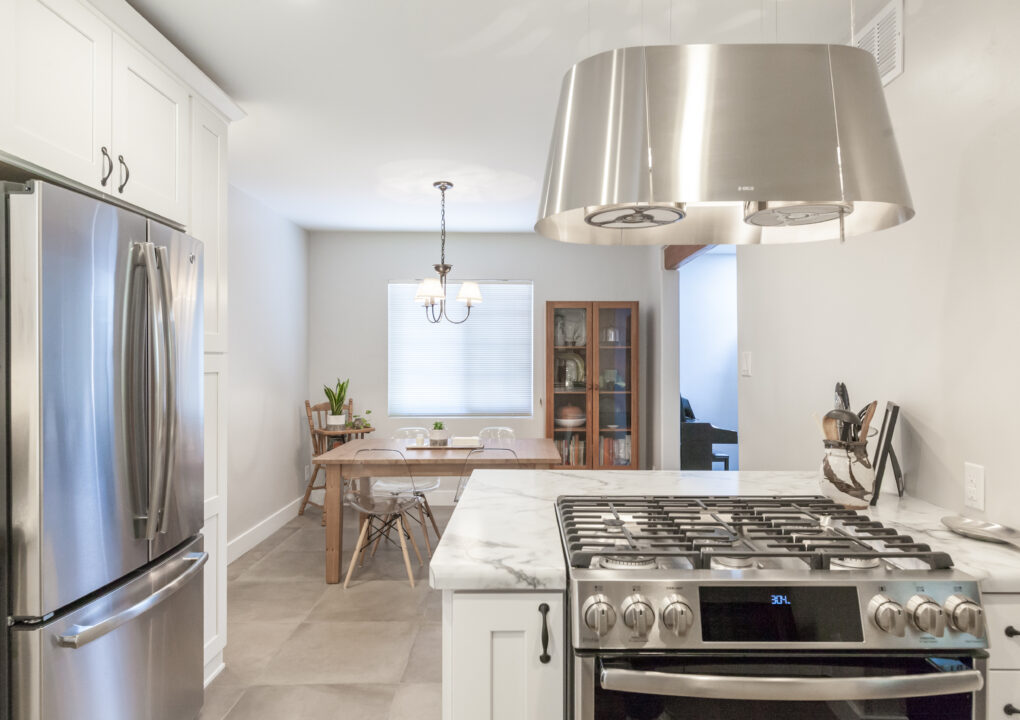
White shaker-style cabinets create a clean, timeless backdrop that reflects light throughout the space. By simplifying the visual field, the kitchen feels larger and more open than before.
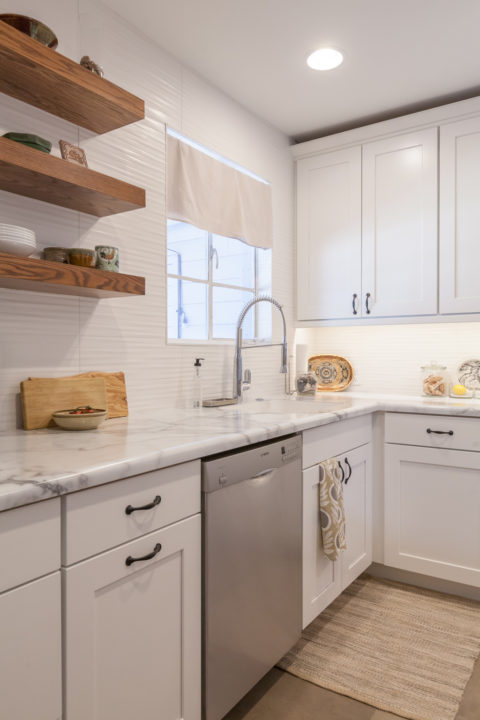
Floating oak shelves introduce warmth and balance.
These natural wood elements connect the kitchen to the rest of the home while adding texture and personality. The combination of white cabinetry and wood accents creates a space that feels both modern and grounded.
Achieving a High-End Look Within Budget
One of the most thoughtful aspects of this project is how it balances design with budget.
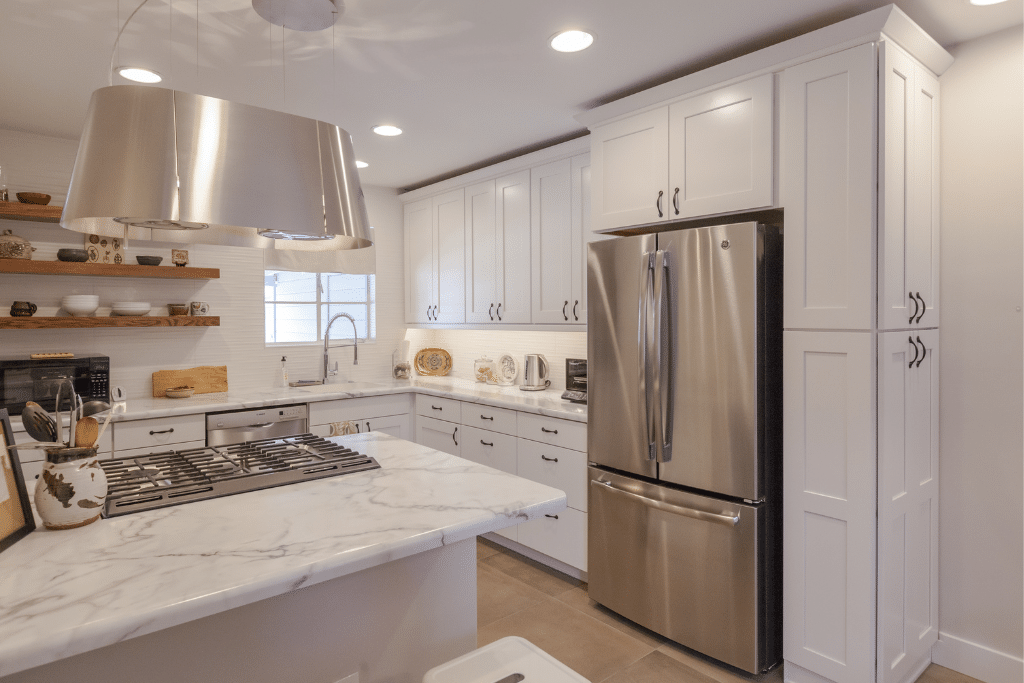
Rather than using higher-cost stone surfaces, the design introduced a premium laminate countertop with a marble-inspired pattern. The result achieves the look of natural stone while maintaining cost efficiency.
An undermount sink was integrated seamlessly, reinforcing the clean lines of the design.
This approach demonstrates an important principle:
A well-designed kitchen is not defined by expensive materials—it is defined by how those materials are used.
Lighting That Changes the Entire Experience
Lighting played a transformative role in the remodel.
The original kitchen relied on a single fixture, leaving much of the space underlit. The new design introduces layered lighting that supports both function and atmosphere.
Recessed LED lighting provides even illumination across the room. Under-cabinet lighting enhances visibility for food preparation while adding a soft glow that highlights the cabinetry.
Together, these layers make the kitchen feel brighter, more open, and significantly more comfortable to use.
A Statement Vent Hood That Anchors the Space
At the center of the kitchen, a stainless-steel vent hood introduces a strong focal point.
Its clean lines and modern presence contrast with the softer materials in the space, creating visual balance. Integrated lighting enhances functionality, while a recirculating system allows the hood to perform effectively without requiring structural changes to the roof.
This combination of practicality and design creates a feature that feels both purposeful and refined.
Solving Hidden Challenges Behind the Walls
As with many remodels in older homes, unexpected conditions emerged during construction.
Termite damage discovered within the walls and flooring required repair, ultimately leading to the installation of new flooring throughout several areas of the home.
A concrete-look tile was selected, providing durability while creating continuity between the kitchen, dining room, and living spaces.
The home’s original electrical system also required upgrading. Replacing the outdated fuse panel with a modern subpanel ensures safety and reliability moving forward.
These improvements are not immediately visible—but they are essential to the long-term success of the project.
Design-Build Remodeling Insight
Small kitchens require a different kind of discipline.
Every decision carries more weight. Layout, storage, lighting, and materials must work together to maximize both function and perception of space.
When these elements are aligned, even a compact kitchen can feel open, efficient, and welcoming.
For a deeper understanding of how preparation shapes remodeling outcomes, explore the Homeowner Core Guides.
The Result: A Small Kitchen with a Big Presence
Today, the kitchen feels completely transformed.
It is brighter, more functional, and far more connected to the rest of the home. The peninsula supports gathering. Storage is organized. Lighting enhances both function and atmosphere.
Most importantly, the space now reflects how the homeowner lives.
What was once a constrained and outdated kitchen has become a warm, inviting hub for everyday life and entertaining.
What Makes a Small Kitchen Remodel Successful?
A successful small kitchen remodel is defined by efficiency.
It requires maximizing space, improving flow, and selecting materials that enhance both function and perception. When done correctly, the result feels larger than it is.
Explore Related Remodeling Possibilities
Homeowners exploring similar projects often continue with:
- Whole-home remodeling in Phoenix
- Open concept kitchen remodeling in Phoenix
- Casita and ADU additions in Phoenix
Considering a Kitchen Remodel in a Vintage Phoenix Home?
Older homes offer character—but they often require thoughtful updates to support modern living.
At Homework Remodels, we guide homeowners through a design-build process that aligns layout, materials, and construction from the beginning.
Project Specifications
Project Name: Asian-Inspired Vintage Kitchen Remodel
Project Location: Phoenix, Arizona
Home Style: 1950s Vintage Home
Project Type: Kitchen Remodel
Remodeling Method: Design-Build Remodeling
Builder: Homework Remodels
Completion Year: 2019
Award: 2019 NARI Contractor of the Year (CotY) Winner
Key Features: Open kitchen layout, peninsula seating, white shaker cabinetry, floating oak shelves, laminate marble-look countertops, stainless vent hood, upgraded lighting, electrical and flooring upgrades