
Historic Spanish Colonial Exterior Restoration & Outdoor Living Transformation
2026 National Remodeler of the Year Award Winner
Residential Exterior $100,000–$200,000 Category
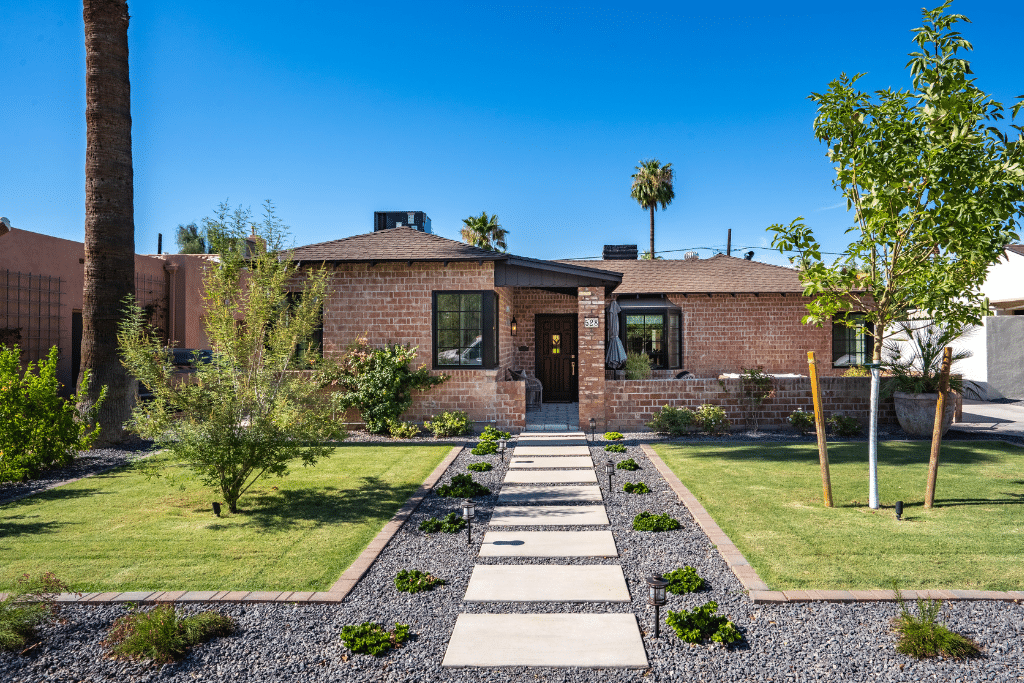
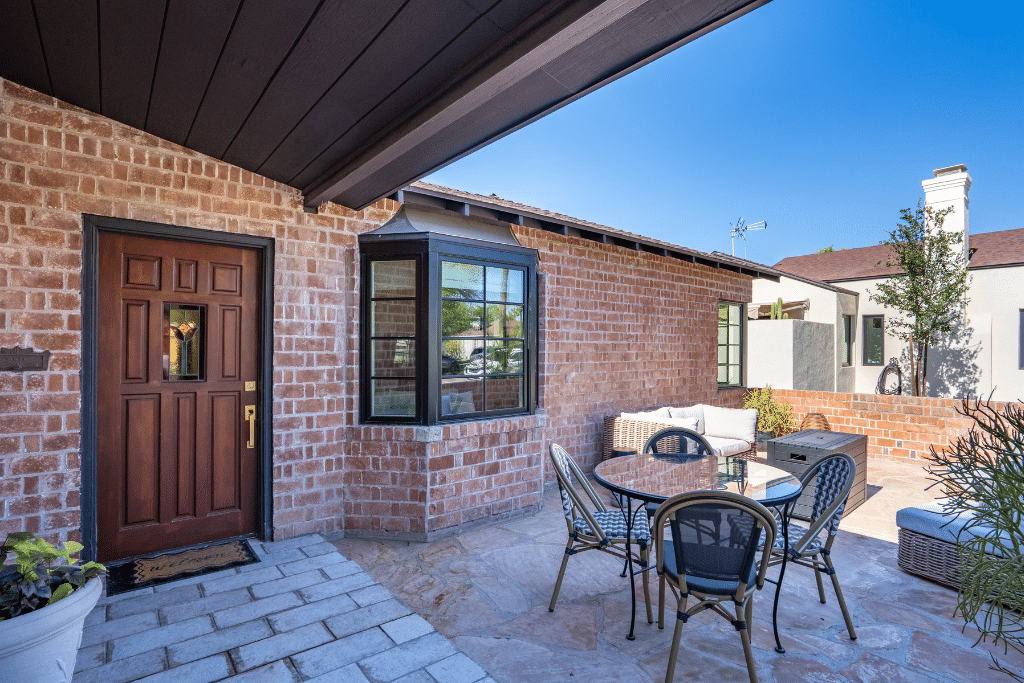
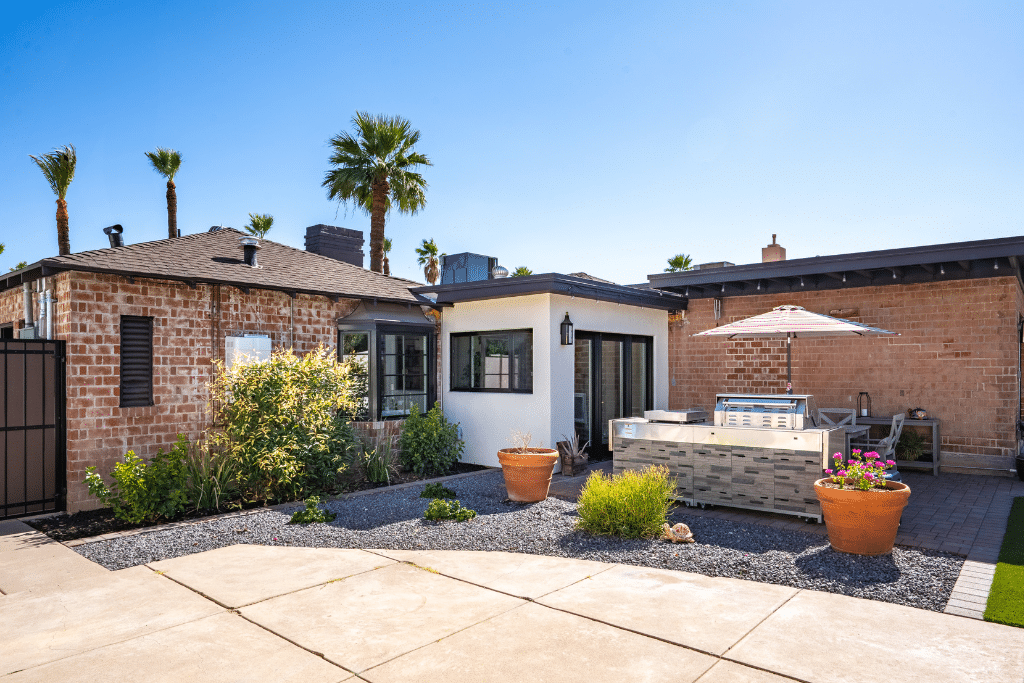
Some homes do more than provide shelter. Over time, they become part of the surrounding neighborhood’s identity. Their architecture contributes to the character of the community, their history becomes intertwined with the stories of the families who have lived there, and their continued presence creates a sense of continuity that newer construction often struggles to provide. While every home serves the people who live within its walls, certain homes also serve as reminders of the craftsmanship, design traditions, and architectural values that helped shape an earlier generation.
This Spanish Colonial Revival home was one of those properties. Built during the 1930s, the residence had become a recognizable and admired part of its historic Phoenix neighborhood. Its masonry details, textured stucco surfaces, carefully proportioned architecture, and mature landscape reflected a period when homes were designed with a level of permanence that remains difficult to replicate today. While many houses change dramatically over the decades, this property had retained much of the character that originally defined it. That continuity not only benefited the homeowners, but also contributed to the architectural fabric of the surrounding community.
The homeowners understood the significance of what they owned. They appreciated the craftsmanship that had gone into the home’s construction and recognized that many of the architectural details they valued could not simply be recreated if they were lost. At the same time, they understood that preserving a historic home does not mean leaving it untouched. Homes are meant to be lived in, and the needs of the people who live in them inevitably evolve over time. As their lifestyle changed, they began to recognize opportunities to improve the property while remaining faithful to its architectural heritage.
Several challenges had gradually emerged over the years. Exterior materials showed signs of age and weathering. Portions of the outdoor environment had developed without a unified long-term vision. Critical infrastructure no longer reflected modern performance expectations. Certain spaces continued to function, but they no longer supported the quality of life the homeowners wanted to enjoy each day. While none of these conditions diminished their affection for the property, they did create opportunities for thoughtful improvement.
The homeowners were never interested in transforming the home into something different. Their goal was not to replace historic character with contemporary trends or erase the architectural identity that made the residence special. Instead, they wanted to become good stewards of a property they deeply valued. They wanted to preserve the qualities that connected the home to its past while making thoughtful investments to ensure it would continue serving future generations.
Achieving that balance required more than simply replacing aging materials or updating individual features. Every decision would need to support both preservation and modernization. Outdoor living spaces needed to function more effectively without feeling disconnected from the architecture. Infrastructure improvements needed to deliver modern performance without drawing attention. Security and privacy enhancements needed to strengthen daily livability while remaining appropriate to the historic setting. Each improvement would ultimately be judged not only by how well it performed, but also by how naturally it belonged to the property.
Homework Remodels partnered with the homeowners to create a comprehensive plan that viewed the residence as an interconnected system rather than a collection of separate projects. Historic restoration, outdoor living improvements, infrastructure modernization, landscape renewal, privacy enhancements, and architectural preservation were all evaluated together because decisions in one area would inevitably influence the others. This planning process created a roadmap that ensured every improvement supported a larger vision for the property.
The completed project demonstrates how thoughtful planning, historic stewardship, and modern livability can work together to strengthen a home’s future without compromising its past. In recognition of this achievement, the project was honored with the 2026 National Remodeler of the Year Award in the Residential Exterior $100,000–$200,000 category, one of the remodeling industry’s highest distinctions.
The result is a home that feels remarkably authentic. Visitors experience the architecture before they notice the improvements. Historic details remain at the forefront while modern upgrades quietly support comfort, performance, and functionality behind the scenes. The property feels cared for rather than altered, renewed rather than reinvented, and prepared for the future without losing the character that made it worth preserving in the first place.
Why Historic Homes Require a Different Remodeling Approach
Every remodeling project involves balancing competing priorities, but historic homes introduce an additional layer of responsibility because the goal extends beyond improving the experience of the current homeowner. Decisions made during the remodeling process influence how future generations will experience the property, how the neighborhood retains its architectural character, and how effectively the home continues to tell the story of the era in which it was built.
In a conventional remodel, success is often measured by visual transformation, increased functionality, or improved market value. Historic remodeling certainly seeks those outcomes, but it also requires careful consideration of preservation. The challenge is not determining what can be changed. The challenge is determining what should be changed. Successful historic remodeling requires understanding which elements contribute most significantly to the home’s identity and which improvements can strengthen the property without diminishing the qualities that make it unique.
This philosophy guided every decision throughout the project. Whether the work involved restoring masonry, rebuilding deteriorated architectural features, expanding outdoor living opportunities, modernizing infrastructure, or enhancing privacy and security, each improvement was evaluated through the lens of long-term stewardship. The objective was never simply to complete a renovation. The objective was to help the home continue serving future generations while remaining true to the architectural character that had allowed it to endure for nearly a century.
Restoring the Home’s Relationship With the Street
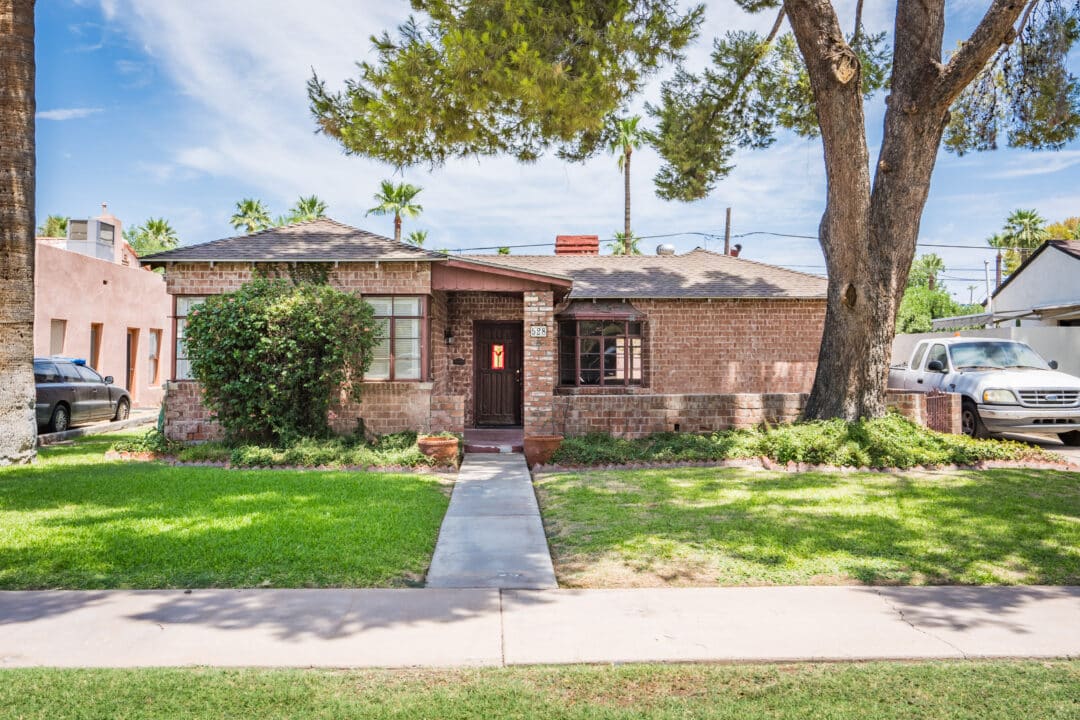
Every home creates a first impression long before visitors step through the front door. In historic neighborhoods, that first impression carries even greater significance because individual properties contribute to the community’s overall character. The appearance of a historic home influences not only how its owners experience the residence but also how the neighborhood itself is perceived by those who pass through it.
Over time, several elements within the front yard had begun to compete with the architecture rather than support it. While the home retained the character that had made it special for decades, portions of that character were becoming increasingly difficult to appreciate from the street. Important architectural features were partially obscured, visual relationships between landscape and structure had become less defined, and the arrival experience no longer reflected the quality of the home beyond it.
The homeowners recognized that restoring the property’s street presence involved more than improving curb appeal. They wanted the exterior to convey the same sense of care, permanence, and architectural integrity as throughout the rest of the residence. Before visitors experienced the outdoor living spaces, before they appreciated the craftsmanship of the restoration, and before they encountered the modern improvements integrated throughout the property, the home itself needed to once again become the focal point of the landscape.
One of the most significant obstacles was a large diseased tree that had gradually become the dominant visual element within the front yard. Mature trees often provide tremendous value to a property, contributing shade, character, and a sense of established beauty. In this case, however, the tree’s declining condition had created challenges that extended beyond its health. Important architectural features were increasingly hidden from view, portions of the landscape received little sunlight, and the visual balance between the home and its surroundings had been compromised.
Removing the tree immediately changed the way the property was experienced. Architectural details that had been concealed for years became visible once again. Natural light returned to portions of the landscape that had struggled beneath the dense canopy. The home itself regained visual prominence, allowing visitors to appreciate the proportions, materials, and craftsmanship that had originally defined the residence.
With the architecture once again visible, attention turned toward creating a landscape plan that would complement rather than compete with the home. New plantings were selected to reinforce the character of the Spanish Colonial Revival design while reducing long-term maintenance requirements. The goal was not to create a landscape that demanded attention for itself. Instead, the landscape would serve as a framework that highlighted the architecture and strengthened the relationship between the home and its setting.
The arrival sequence was also carefully reconsidered. Pathways were refined to create a clearer visual and physical connection between the street and the front entry. Visitors now experience a more intentional progression toward the home, allowing the architecture to gradually reveal itself as they approach. Small details that might otherwise go unnoticed contribute significantly to this experience, creating a sense of order and permanence that feels consistent with the home’s historic character.
At the front entry, new tile finishes were introduced to refresh the arrival experience while remaining faithful to the residence’s architectural language. Rather than introducing materials that would feel contemporary or disconnected from the home’s history, the selections were made to strengthen the sense that these elements had always belonged. The result feels appropriate to the architecture rather than newly added to it.
Collectively, these improvements transformed the way the property presents itself to the neighborhood. More importantly, they restored the relationship between the home and its surroundings. The architecture once again serves as the focal point of the experience, while the landscape supports and enhances the qualities that made the residence worth preserving in the first place. The improvements established a strong foundation for the restoration work that would continue throughout the remainder of the property.
Preserving Historic Masonry and Rebuilding a Defining Architectural Feature
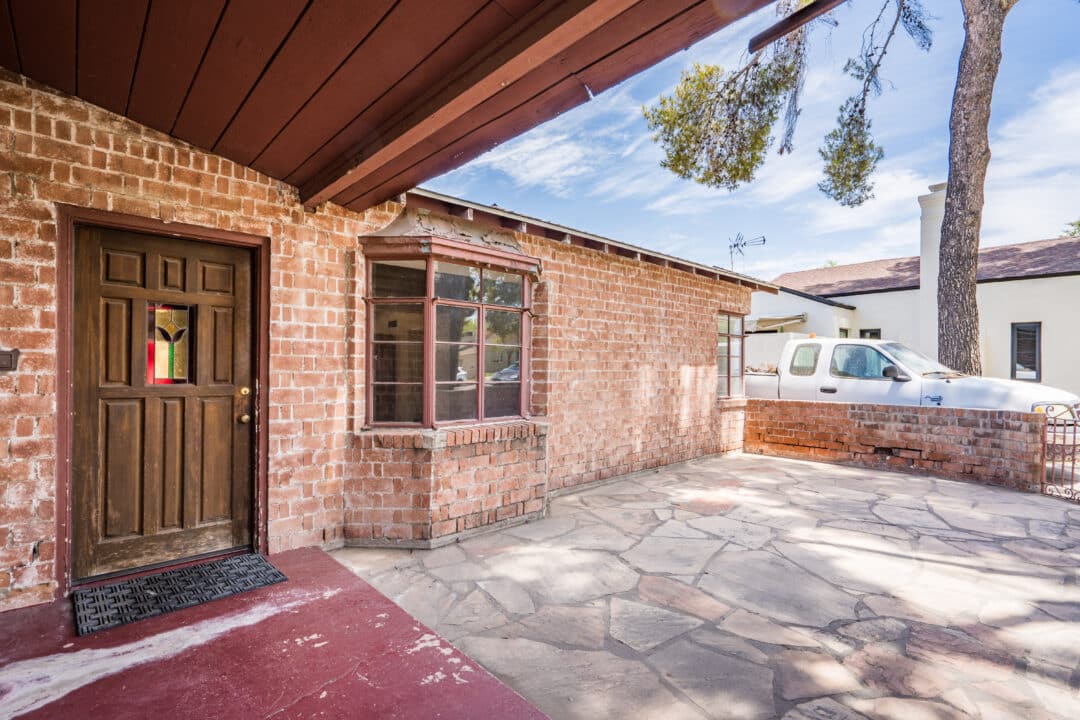
One of the most important restoration efforts involved protecting the original masonry that had helped define the home’s character for nearly a century. While many visitors admire historic brickwork for its appearance, the true value of masonry extends beyond aesthetics. Brick walls provide texture, scale, craftsmanship, and permanence. They contribute to the home’s architectural identity and help establish the visual character that distinguishes historic properties from newer construction.
Over time, however, even the most durable materials begin to show the effects of age. Decades of exposure to sun, rain, temperature fluctuations, and natural settling had gradually affected the mortar joints throughout portions of the home’s exterior. While the brick itself remained largely intact, the mortar binding the masonry had begun to deteriorate. Left unaddressed, this type of deterioration can allow moisture intrusion, accelerate damage, and eventually compromise both the appearance and performance of the wall system.
The homeowners understood that preserving the masonry was about more than maintaining appearances. The brickwork represented a tangible connection to the home’s history and craftsmanship. Replacing it would have altered an important architectural feature that had contributed to the property’s character for generations. The objective, therefore, became to preserve as much of the original material as possible while restoring the integrity of the wall system.
Rather than covering the brick with new finishes or unnecessarily replacing large sections, the restoration focused on careful repair. Each deteriorated mortar joint was individually ground out and prepared before being meticulously tuckpointed by hand. This process required patience, precision, and attention to detail because the goal was not simply to strengthen the masonry. The repaired areas also needed to blend naturally with the existing brickwork so that the restoration respected the appearance that had developed over decades.
The completed masonry restoration renewed both the strength and visual character of the exterior. Architectural details became more defined, the texture of the brickwork was restored, and the walls once again reflected the craftsmanship that had originally shaped the home. While much of the work may go unnoticed by casual observers, its impact is felt throughout the property because the restored masonry reinforces the sense of permanence that makes historic homes so distinctive.
The masonry restoration also revealed one of the project’s most significant hidden discoveries.
During the window replacement and evaluation of the surrounding conditions, deteriorated structural components were uncovered in the home’s original bay window assembly. From the exterior, the bay window continued to function as an attractive architectural feature. Beneath the surface, however, years of exposure had weakened portions of the supporting structure and created conditions that could not be ignored if the feature was going to remain viable for future generations.
Discoveries such as these are common in historic remodeling. One of the realities of working on older homes is that certain conditions remain hidden until construction begins. While homeowners naturally focus on the visible aspects of a renovation, some of the most important decisions occur when unexpected conditions are uncovered. The true measure of a restoration project often lies in how these discoveries are addressed rather than whether they occur at all.
Once the deterioration was exposed, the project team carefully evaluated repair options. Simply covering the damaged areas would have preserved the appearance temporarily but failed to address the underlying problem. Because the homeowners viewed the project as a long-term investment in the property’s future, a more comprehensive solution was required.
The affected portions of the bay window were carefully dismantled, allowing weakened structural components to be removed and replaced. New supports were installed to restore strength and stability, while a reconstructed sill system provided improved durability and protection from future moisture-related issues. Every effort was made to ensure that the repairs respected the original architecture, so that the completed feature would remain visually consistent with the home’s historic character.
The installation of new windows completed the transformation. Beyond improving energy efficiency and comfort, the new windows enhanced the long-term performance of the bay window assembly while preserving its role as an architectural focal point. The feature continues to contribute to the character of the residence, but now with renewed structural integrity and modern performance concealed beneath its historic appearance.
This portion of the project perfectly illustrates the difference between renovation and stewardship. Renovation often focuses on what people can see. Stewardship focuses equally on what people cannot see. By investing in the structural restoration of the bay window rather than settling for cosmetic improvement, the homeowners ensured that one of the home’s defining architectural features would remain part of its story for decades to come.
Expanding the Outdoor Dining Experience
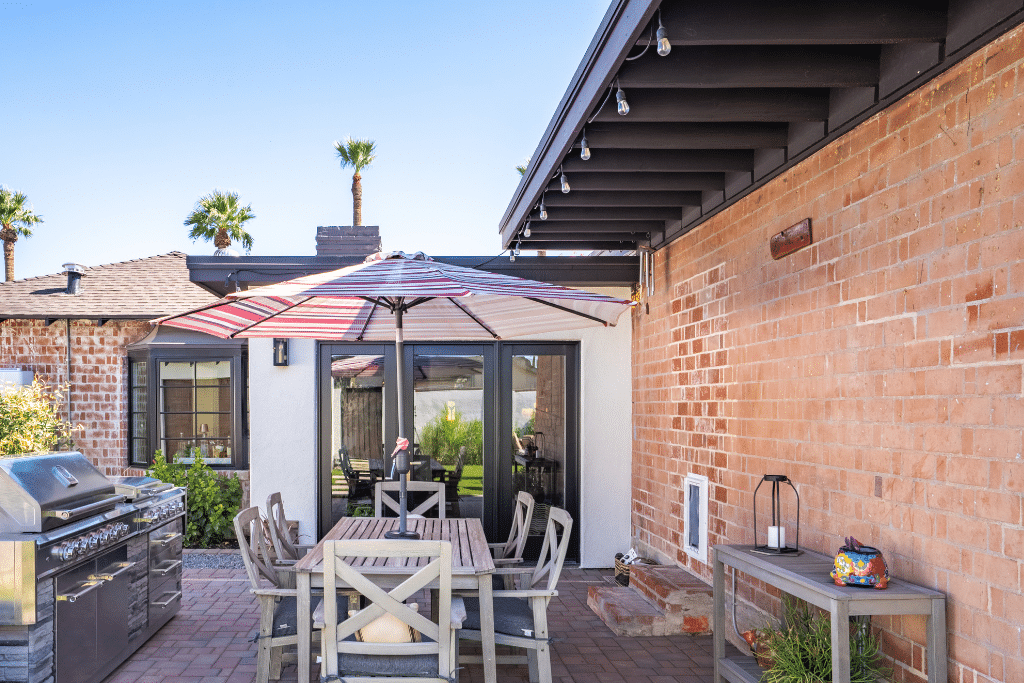
As the overall vision for the outdoor living environment began to take shape, one area quickly emerged as a particularly important opportunity. The homeowners wanted a space where family and friends could gather comfortably, where everyday meals could move outdoors when the weather allowed, and where entertaining would feel natural rather than requiring people to remain separated between the home’s interior and exterior.
The existing dining area possessed many of the qualities necessary to support those goals, but it lacked the strong connection to the home that the homeowners envisioned. Movement between indoor and outdoor spaces felt restricted, portions of the area showed signs of age and deterioration, and several underlying conditions limited both functionality and long-term performance. While the space remained usable, it was not fulfilling its potential as a central gathering area within the larger outdoor living environment.
Rather than approaching the dining area as an isolated improvement, the project team evaluated how the space would function within the property’s broader experience. The goal was not simply to improve a patio. The objective was to create a destination that would strengthen the relationship between indoor and outdoor living while encouraging the kinds of everyday experiences that often become the most meaningful moments in a home.
One of the most significant improvements involved the installation of a new tri-panel door system. The existing opening limited both physical movement and visual connection between the interior and exterior environments. While the outdoor space remained visible from inside the home, the transition felt more like crossing a boundary than moving naturally between connected living areas.
The new door system fundamentally changed that experience. Wider openings improved circulation during gatherings, allowing people to move comfortably between indoor and outdoor spaces. Expanded glass areas increased natural light within the home while creating stronger visual connections to the surrounding landscape. When opened, the doors help blur the distinction between interior and exterior living, allowing both environments to function together as a unified space.
Creating that seamless transition required more than simply replacing the door itself. During planning and investigation, it became apparent that water intrusion had previously been a concern in portions of the area surrounding the threshold. While these conditions were not always visible on the surface, they represented the type of underlying issue that can gradually compromise performance if left unaddressed.
Rather than focusing solely on appearance, the project addressed the root causes of the problem. The area was carefully reconstructed and regraded to improve drainage and direct water away from the home more effectively. Exterior openings were rebuilt to strengthen the building envelope and improve long-term weather resistance. These improvements may not attract immediate attention from visitors, but they contribute significantly to the durability and longevity of the finished space.
The patio surface itself also required attention. Years of exposure had taken a toll on the existing flagstone, leaving portions of the surface uneven and diminishing the area’s visual cohesion. While the original patio had served the homeowners well, the broader vision for the property called for materials that would better support both performance and aesthetics moving forward.
New pavers were selected to create a more durable and visually unified surface. The replacement improved functionality while strengthening the connection between the dining area and the surrounding outdoor spaces. The updated materials complement the home’s architectural character and provide a cleaner visual foundation for everyday use and entertaining alike.
As with many successful remodeling projects, some of the most meaningful improvements involved details that support daily life. The homeowners wanted the space to function beautifully not only during special occasions but also during ordinary moments. Accommodating those everyday needs required thoughtful consideration of how the family actually used the property.
A discreet dog door was incorporated into the design to enhance convenience without drawing attention. A custom step was carefully integrated to improve accessibility and comfort while maintaining the visual integrity of the space. These details may appear minor when viewed individually, but together they contribute to a more enjoyable daily experience and demonstrate the value of designing around the realities of how people live.
The completed dining area now serves as one of the most active and inviting spaces on the property. Family meals, casual conversations, and larger gatherings all benefit from the stronger connection between indoor and outdoor environments. What was once a patio adjacent to the home has become a natural extension of it.
More importantly, the transformation reflects the larger philosophy that guided the entire project. Successful remodeling is rarely about adding features for their own sake. It is about creating environments that support the experiences homeowners value most. By improving functionality, durability, comfort, and connectivity simultaneously, the outdoor dining area now enhances the quality of everyday life while remaining fully consistent with the residence’s historic character.
As the outdoor dining area evolved into a central gathering space, the homeowners began to recognize additional opportunities to strengthen relationships throughout the property. One of the most significant involved creating a stronger connection between the outdoor living environment and a beloved interior space that had long played an important role in the life of the home: the music room.
Creating Outdoor Living Spaces That Felt Original to the Home
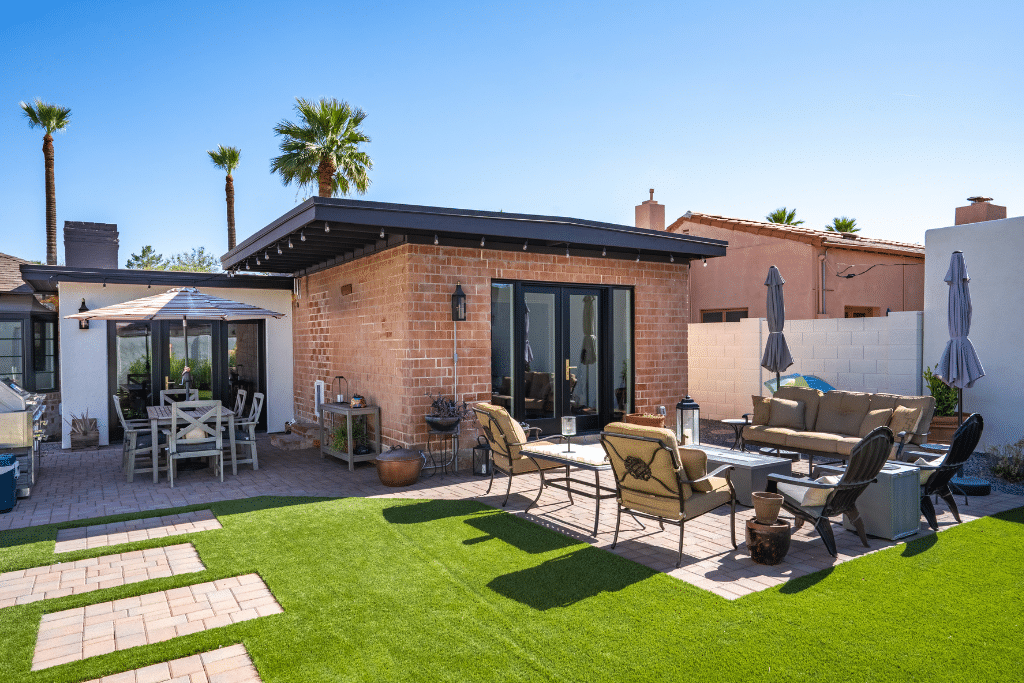
While preserving the historic character of the residence remained a central priority throughout the project, the homeowners were equally focused on how the property functioned as a place to live. Like many historic homes, the outdoor spaces had evolved gradually over time. Individual improvements had been made as needs arose, but those changes had not always been guided by a long-term vision for how the various areas of the property should work together.
As a result, portions of the outdoor environment felt disconnected from one another. Certain spaces served practical purposes, while others provided opportunities for relaxation or entertaining. Although each area functioned independently, the property lacked the sense of continuity that allows outdoor spaces to feel like natural extensions of the home itself. The homeowners believed there was potential for something more cohesive.
Their goal was not simply to create a larger patio or add new exterior features. They wanted to establish outdoor environments that would encourage connection, support entertaining, and provide comfortable places for everyday living. Just as important, they wanted those spaces to feel as though they belonged to the original architecture. New outdoor improvements should reinforce the home’s historic character rather than introduce elements that felt disconnected from its heritage.
Achieving that goal required viewing the exterior environment as a complete system rather than a collection of individual destinations. The project team began evaluating how people moved throughout the property, where people naturally gathered, how views connected various spaces, and how architectural elements influenced the outdoor experience. This approach allowed every improvement to contribute to a larger vision rather than functioning as an isolated upgrade.
The resulting design transformed the backyard into a series of interconnected outdoor rooms. Each area serves a distinct purpose while remaining visually and physically connected to the others. Pathways guide movement naturally throughout the property, landscaping softens transitions between spaces, and architectural improvements establish a stronger relationship between the home and its outdoor environment.
One of the most important objectives was ensuring that the outdoor spaces remained consistent with the architectural language of the residence. Historic Spanish Colonial homes often create a seamless relationship between indoor and outdoor living, allowing courtyards, patios, gardens, and gathering areas to function as extensions of the home rather than separate destinations. The homeowners wanted to embrace that tradition while adapting it to their way of life today.
Landscape selections played an important role in achieving this balance. New plantings were chosen not only for their beauty but also for their ability to complement the architecture and thrive within the Arizona climate. The goal was to create visual richness without overwhelming the home itself. Carefully selected materials, textures, and colors help reinforce the property’s character while maintaining a timeless appearance appropriate to the historic setting.
Low-maintenance solutions were also incorporated wherever possible. The homeowners wanted outdoor spaces that invited frequent use rather than creating ongoing maintenance burdens. By selecting durable materials and thoughtful landscape elements, the project created an environment that supports daily enjoyment while reducing the time and effort required for maintenance.
Perhaps most importantly, the redesigned outdoor spaces encourage the kind of experiences the homeowners envisioned from the beginning. Areas for conversation, dining, relaxation, and entertaining now feel naturally connected to one another. Family gatherings flow more comfortably throughout the property. Everyday activities feel less confined to the home’s interior. The outdoor environment has become an active part of daily life rather than simply a collection of exterior features.
The transformation demonstrates an important principle of successful remodeling. Great outdoor living spaces are not defined by the individual features they contain. They are defined by how effectively they support the way people want to live. By focusing on relationships, movement, comfort, and connection rather than individual amenities, the project created an outdoor environment that feels both intentional and timeless.
With the overall framework for outdoor living established, attention turned to one of the most significant gathering spaces on the property. The outdoor dining area would become a centerpiece of the transformation, creating a stronger connection between indoor and outdoor living while providing a destination for both everyday meals and larger gatherings with family and friends.
Creating a Stronger Connection to the Music Room
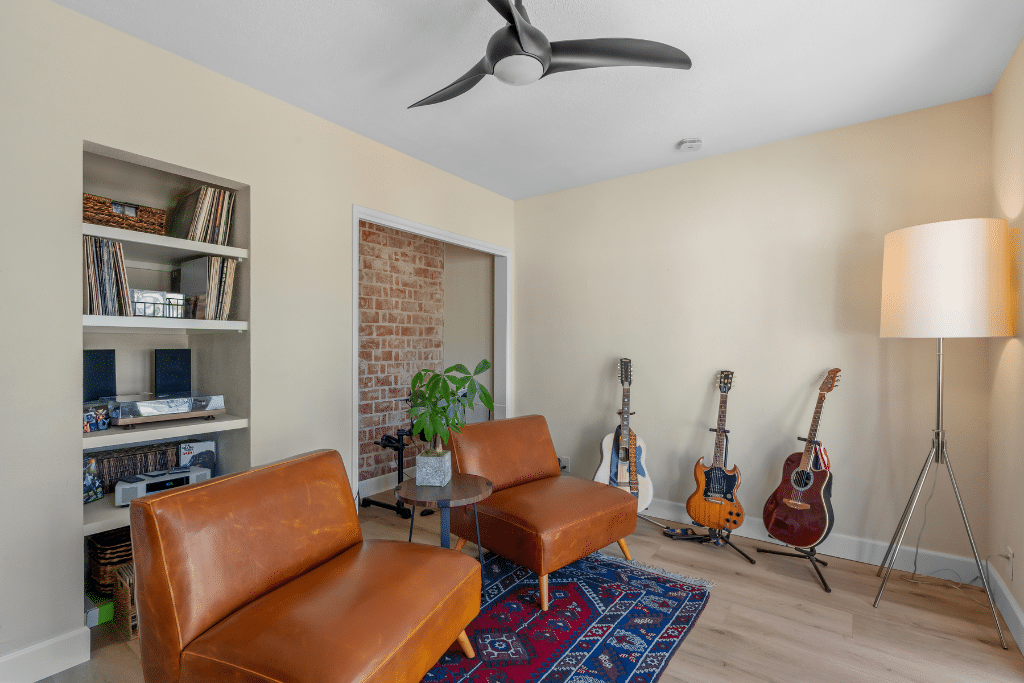
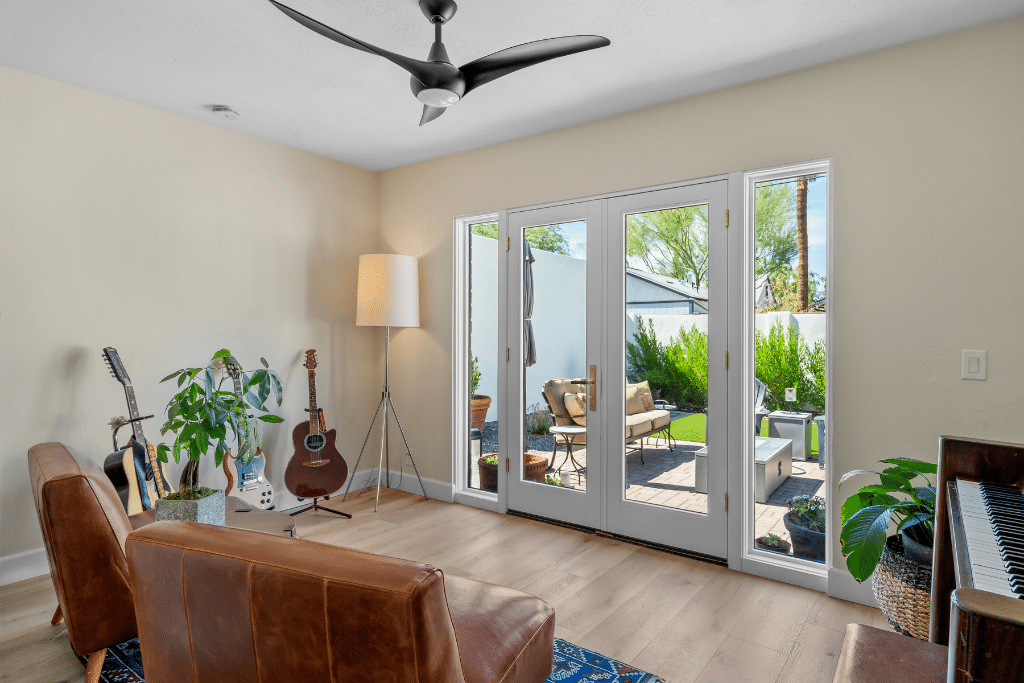
As the outdoor living areas began to take shape, the homeowners recognized another opportunity to improve the way the property functioned as a whole. While the new dining and gathering spaces were creating stronger connections throughout the exterior environment, one important interior space remained somewhat isolated from the activities taking place outdoors.
That space was the music room.
Like many rooms found in historic homes, the music room possessed its own distinct character and purpose. It served as a place for relaxation, creativity, conversation, and personal enjoyment. The homeowners valued the room and spent considerable time there, yet the surrounding exterior areas did little to encourage interaction between the indoor and outdoor environments. While the spaces were in close proximity, they often felt like separate destinations rather than connected parts of a larger experience.
The homeowners wanted to change that relationship.
Their vision was not simply to improve access to the outdoors. They wanted the music room to feel integrated into the property’s broader lifestyle. Guests moving through the outdoor spaces should feel naturally drawn toward the room, while those inside should experience a stronger connection to the surrounding landscape. The goal was to create continuity between environments that had previously functioned somewhat independently.
Achieving that objective required evaluating how people moved through the property and how architectural features influenced those movements. Successful indoor-outdoor living is rarely created through a single improvement. Instead, it emerges when multiple elements work together to encourage natural transitions between spaces. Doors, pathways, lighting, landscaping, sightlines, and gathering areas all contribute to the experience.
Several improvements were implemented to strengthen these relationships. New doors improved both accessibility and visual connection, allowing the music room to feel more engaged with the outdoor environment. Updated patio surfaces created a more inviting transition between interior and exterior spaces, while carefully planned landscaping softened boundaries that had previously felt abrupt or disconnected.
Lighting also played an important role in shaping the experience. During daylight hours, the landscape and architectural elements guide movement naturally throughout the property. In the evening, however, lighting becomes one of the primary tools for establishing atmosphere and encouraging use of outdoor spaces. The homeowners wanted the area surrounding the music room to feel welcoming after sunset while remaining consistent with the residence’s historic character.
To achieve that goal, decorative exterior fixtures inspired by traditional gas lanterns were incorporated into the design. These fixtures provide more than illumination. They reinforce the home’s architectural language while creating warmth, character, and visual interest during evening gatherings. The lighting contributes to a sense of hospitality that feels particularly appropriate for a residence designed around connection, conversation, and entertaining.
The impact of these improvements extends beyond the music room itself. By strengthening the relationship between the indoor and outdoor environments, the project expanded the ways homeowners can use and enjoy the property. Gatherings now flow more naturally between spaces. Guests experience the home as a unified environment rather than a series of separate destinations. Everyday activities feel less constrained by physical boundaries and more connected to the larger experience of living on the property.
This transformation also reflects a broader principle that guided the project from the beginning. Great remodeling is not measured solely by the quality of individual spaces. It is measured by the quality of the relationships between those spaces. A beautifully designed room can feel isolated if it lacks meaningful connections to the rest of the home. Likewise, outdoor living areas reach their full potential only when they are integrated into daily life rather than existing as separate destinations visited only occasionally.
By strengthening the connection between the music room and the surrounding outdoor environment, the homeowners gained more than improved circulation or enhanced aesthetics. They gained a property that feels more cohesive, more welcoming, and better aligned with the way they want to live. The home now encourages movement, interaction, and connection in ways that were difficult to achieve before the renovation.
While many of these improvements are immediately visible, some of the most important work completed during the project remains largely hidden from view. Behind the restored architecture, renewed outdoor spaces, and carefully crafted details, significant infrastructure upgrades were underway to ensure the home could support modern living for decades to come.
Modern Infrastructure Behind Historic Walls
Many of the most important improvements completed during this project are not immediately visible to visitors. Guests notice the restored masonry, renewed landscape, enhanced outdoor living spaces, and carefully preserved architectural details. What they do not see are the infrastructure upgrades that allow the home to function reliably, efficiently, and safely for modern living.
This reality is common in historic remodeling.
Homeowners often begin a renovation with a focus on visible improvements because those are the elements they experience every day. Over time, however, many discover that the long-term success of a historic property depends just as much on the systems hidden behind the walls as it does on the finishes visible throughout the home. Electrical systems, mechanical equipment, plumbing infrastructure, and utility services may continue functioning for decades, but that does not necessarily mean they remain capable of supporting contemporary expectations.
The homeowners understood this distinction and recognized that stewardship extends beyond preserving architectural character. A historic home cannot continue to serve future generations if the infrastructure supporting it remains stuck in the past. Preserving the property required more than restoring what people could see. It also required investing in the systems responsible for comfort, safety, performance, and reliability.
One of the most significant infrastructure challenges involved the home’s electrical service.
The existing electrical system reflected the needs of an earlier era when homes contained fewer appliances, less technology, and significantly lower power demands. While the system had served previous generations adequately, modern living places very different expectations on residential electrical infrastructure. Heating and cooling systems require greater capacity. Contemporary appliances consume additional power. Technology, lighting, and future electrical needs all place increasing demands on the service entering the home.
The homeowners wanted to ensure the property would be prepared not only for their current needs but also for future demands that may arise. Rather than implementing incremental upgrades that could eventually require further modifications, they chose to make a substantial investment in the property’s long-term capabilities.
Achieving that objective required upgrading the home to a new 400-amp electrical service.
Implementing a service upgrade of this scale involved considerably more than replacing a panel. Modern building codes establish requirements regarding accessibility, location, safety clearances, and installation methods that did not exist when the home was originally constructed. As the project team evaluated options, it became clear that the existing panel location could not accommodate the new service while meeting current code requirements.
This discovery created a series of interconnected decisions that extended beyond the electrical work itself. Relocating the service required careful coordination with other elements throughout the property to ensure the upgrade would function properly while remaining respectful of the home’s historic appearance. The objective was not merely to satisfy code requirements. The objective was to integrate modern infrastructure into a historic setting in a way that felt natural and unobtrusive.
The outdated electrical equipment was removed and replaced with a new 400-amp service panel positioned to provide proper access, improved functionality, and full code compliance. Supporting infrastructure was upgraded throughout the property to ensure the system could reliably accommodate modern mechanical equipment and future electrical demands. While visitors may never notice these improvements directly, they provide a foundation that supports virtually every aspect of contemporary living within the home.
The electrical upgrade also created opportunities to improve other systems throughout the property.
Modern infrastructure functions best when individual systems are viewed as interconnected rather than independent. Electrical capacity influences heating and cooling equipment. Mechanical systems affect comfort and energy performance. Water heating systems impact both convenience and efficiency. Evaluating these components together allowed the project team to create a more comprehensive long-term solution.
As part of this effort, the home received support for a new high-efficiency HVAC system and tankless water heater. These improvements enhance comfort, improve energy performance, and provide capabilities that align more closely with modern homeowner expectations. More importantly, they help ensure the home remains practical and enjoyable to live in without compromising the architectural character that makes it unique.
Accommodating these infrastructure improvements required additional adjustments throughout the property. Because the new service location influenced other site elements, portions of the exterior environment were reconfigured to maintain functionality and accessibility. One notable example involved relocating the driveway gate to accommodate the updated infrastructure while preserving the site’s overall usability.
Projects like this often illustrate an important reality about remodeling. Homeowners are typically excited about the spaces they can see, touch, and experience firsthand. Kitchens, outdoor living areas, restored architectural details, and beautiful finishes naturally attract attention. Yet some of the most valuable investments occur in areas that may never be visible once construction is complete.
These hidden improvements are what allow historic homes to remain viable in the modern world.
Without infrastructure modernization, even the most beautiful restoration eventually faces limitations. Systems become unreliable. Performance declines. Future improvements become more difficult and costly to implement. By investing in the unseen components of the home, the homeowners strengthened the foundation upon which every other improvement depends.
The completed infrastructure upgrades provide far more than additional electrical capacity or updated mechanical systems. They provide confidence. The homeowners can enjoy the restored property, knowing that the systems that support daily life have been thoughtfully modernized and prepared for the future. The improvements allow the home to function in line with contemporary expectations while preserving the historic character that continues to define its identity.
With the major infrastructure improvements complete, attention turned to another aspect of daily livability. The homeowners recognized opportunities to strengthen privacy, improve security, and create clearer definition throughout the property while maintaining the architectural character that had guided every decision made throughout the project.
Enhancing Privacy, Security, and Property Definition
As the major restoration, outdoor living, and infrastructure improvements progressed, the homeowners began to recognize additional opportunities to enhance the property’s overall functionality. While many of the project’s earlier decisions focused on preserving historic character and improving quality of life, attention increasingly turned toward how the property could better support privacy, security, and everyday comfort.
These considerations are often closely connected.
Homeowners rarely think about privacy and security as isolated features. Instead, they experience them as part of the overall feeling a property creates. A home that feels secure encourages relaxation. A property that provides appropriate privacy allows outdoor spaces to be used more comfortably. Well-defined boundaries help create a stronger sense of ownership and belonging while improving the site’s overall usability.
The homeowners valued the openness and welcoming nature of their property, but they also recognized that certain areas no longer provided the level of privacy or security they desired. Some of the existing enclosure elements had aged significantly over time, while others no longer reflected the quality or permanence of the improvements taking place throughout the rest of the property. As the transformation continued, it became increasingly clear that the boundaries surrounding the home should receive the same level of consideration as the spaces within them.
One of the most significant opportunities involved an aging wood fence located along the driveway. While the fence had served its purpose for many years, exposure to the elements and time had gradually diminished both its appearance and its long-term durability. More importantly, the fence no longer reflected the architectural quality being established elsewhere on the property.
Rather than simply replacing the fence with a newer version of the same material, the project team explored solutions that would provide greater permanence while remaining appropriate to the residence’s historic character. The homeowners wanted an enclosure that would enhance privacy, strengthen security, and contribute positively to the property’s overall architectural composition.
The solution was to construct a new block privacy wall.
Unlike the aging fence it replaced, the new wall provides durability measured in decades rather than years. Its solid construction creates a stronger sense of separation from neighboring properties while helping to define the site’s boundaries more clearly. At the same time, the wall contributes to the property’s architectural presence in a way that feels substantial, intentional, and consistent with the character of the home itself.
Careful attention was given to ensuring that the new wall felt integrated rather than added. The objective was not to introduce an enclosure that would draw attention to itself. Instead, the wall was designed to complement the architecture and reinforce the sense of permanence already present throughout the property. Materials, finishes, and proportions were selected with the goal of creating a natural relationship between the new construction and the historic residence.
The improvement immediately enhanced the property’s daily experience. Outdoor living spaces became more comfortable and private. Views toward neighboring areas were better controlled. The sense of enclosure created a more intimate environment that supports both everyday relaxation and larger gatherings. While privacy improvements are often difficult to appreciate in photographs, they can dramatically influence how homeowners experience their property on a daily basis.
Security improvements were integrated into the project with the same philosophy.
The homeowners wanted a property that felt protected without appearing fortified. Security measures should foster peace of mind while remaining consistent with the home’s welcoming character. Achieving that balance required solutions that enhanced functionality without disrupting the residence’s architectural integrity.
A new gate was added as part of the enclosure improvements, helping complete the property’s perimeter while strengthening both security and accessibility. The gate was carefully selected to complement the historic setting rather than introducing a style that would feel out of place. Like many of the project’s most successful features, its effectiveness comes from how naturally it belongs within the larger design.
Together, the wall and gate create a stronger sense of definition throughout the property. Boundaries feel intentional rather than incidental. Outdoor spaces feel more protected and comfortable. The improvements contribute to the overall experience of the home while remaining respectful of the architectural character that guided every decision throughout the renovation.
These enhancements also reinforce an important lesson about successful remodeling. Quality of life is often shaped by factors that are not immediately obvious. Beautiful spaces matter, but so do the conditions that allow people to enjoy those spaces comfortably. Privacy, security, durability, and peace of mind all contribute to how a home supports everyday living. When thoughtfully integrated into a larger design vision, these practical improvements become an important part of the overall experience.
With the primary residence, outdoor living areas, and site improvements well underway, attention turned to another structure that played an important role on the property. Although often overlooked in previous years, the detached garage offered an opportunity to further strengthen both functionality and architectural cohesion throughout the site.
Restoring Functionality to the Detached Garage
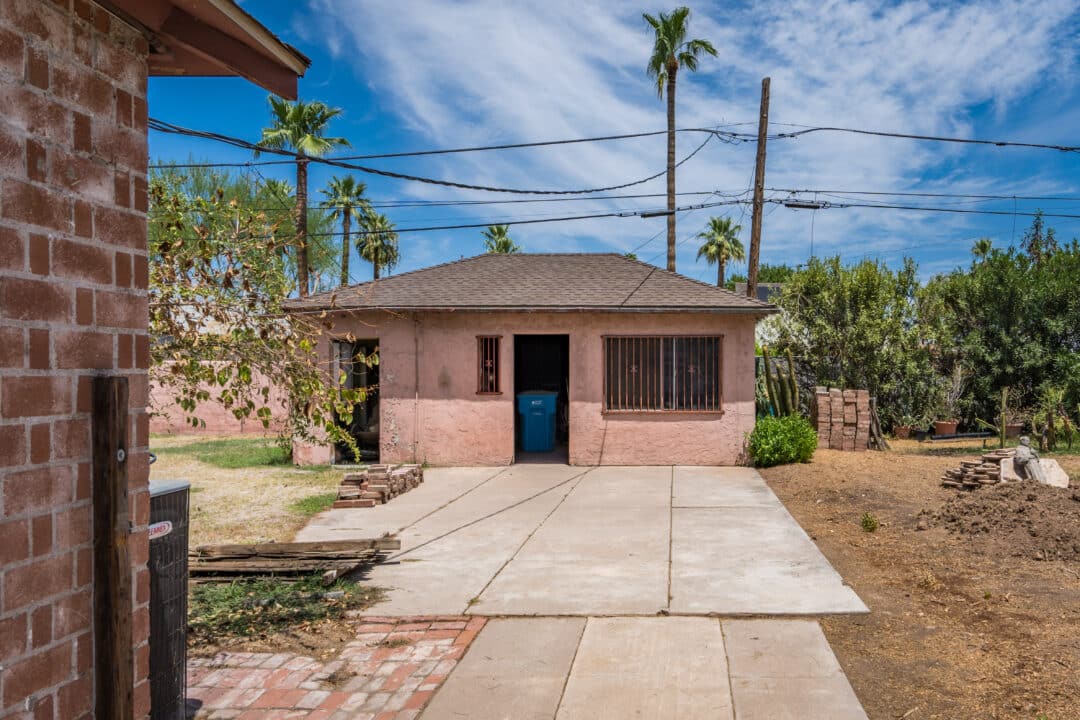
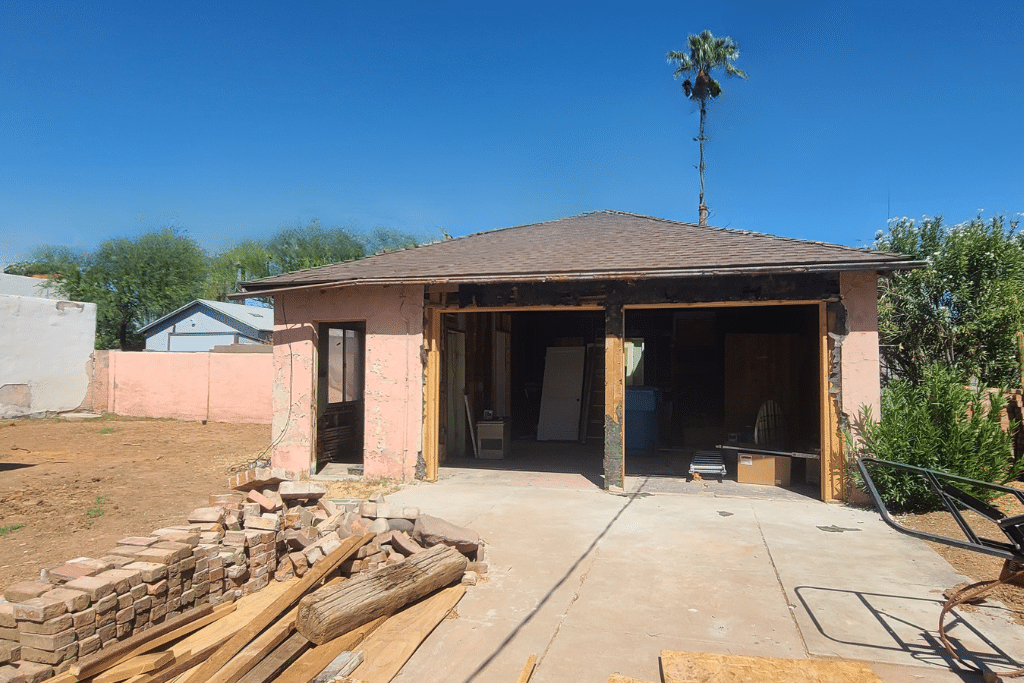
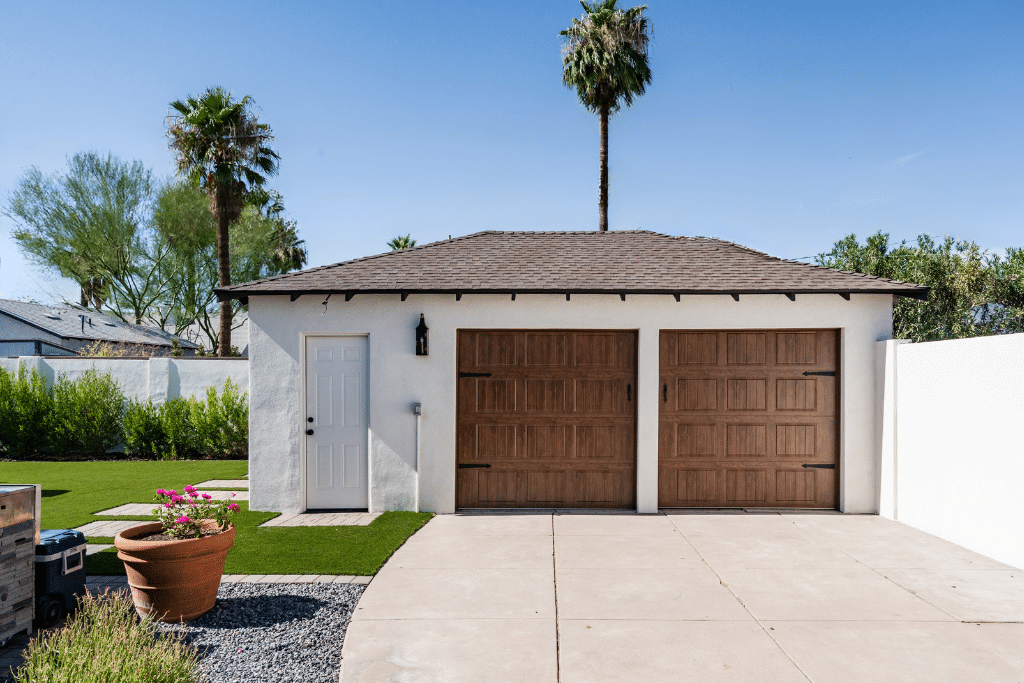
While much of the project’s attention focused on the primary residence and surrounding outdoor living spaces, the detached garage presented another important opportunity to enhance the property’s overall functionality. Like many accessory structures associated with historic homes, the garage had evolved gradually over time. Various modifications had been made as needs changed, and while the structure continued to serve practical purposes, it no longer functioned as effectively as it could.
The homeowners viewed the garage much the same way they viewed the rest of the property. They were not interested in simply repairing visible issues. Their goal was to ensure that every part of the property contributed positively to daily life while remaining consistent with the home’s architectural character. Just as the main residence was being thoughtfully restored and modernized, the garage deserved the same level of consideration.
At first glance, some might view a detached garage as secondary to the home itself. In reality, structures like these often play a significant role in how a property functions. They provide storage, support household activities, accommodate hobbies and projects, and contribute to the overall organization of the site. When they function poorly, the effects are often felt throughout the entire property. When they function well, they quietly improve daily life in ways homeowners appreciate.
Years of use had gradually affected both the appearance and performance of the garage. Certain areas required structural attention, while others no longer reflected the level of quality being established throughout the rest of the project. Rather than addressing individual issues in isolation, the renovation focused on restoring the garage to be a functional, integrated part of the property.
The work began with a careful evaluation of the structure itself. Areas requiring repair were identified, and portions of the building were opened to allow necessary improvements. Where framing had deteriorated or no longer provided adequate support, repairs were made to restore structural integrity and ensure long-term durability. These improvements may not be immediately visible once construction was complete, but they provide the foundation upon which all other enhancements depend.
Natural light and usability also became important considerations during the renovation. New windows and doors were installed to improve both the appearance and functionality of the space. Increased daylight creates a more pleasant environment while making the garage more versatile for a variety of uses. At the same time, the updated openings contribute to the structure’s overall architectural cohesion, helping it feel more closely connected to the character of the main residence.
Interior improvements focused on making the space more practical for everyday use. A utility sink was added to support a variety of household activities, while organizational enhancements improved efficiency and functionality. These upgrades were not intended to transform the garage into something entirely different. Instead, they were designed to help the structure fulfill its intended purpose more effectively while supporting the homeowners’ daily routines.
One particularly important decision involved removing a non-original side door. Over the years, modifications by previous owners had introduced elements that did not necessarily enhance the structure’s functionality or architectural integrity. While every change may have served a purpose at the time it was made, not all of those changes continued to support the property’s long-term vision.
Removing the door simplified circulation patterns, improved the efficiency of the space, and allowed the garage to function more cohesively within the broader site plan. Just as importantly, eliminating non-original elements helped reinforce the architectural consistency that guided the entire project. The objective was not to erase the structure’s history, but rather to strengthen the qualities that made it feel connected to the property as a whole.
Exterior finishes also played a significant role in achieving that goal. New textured stucco was applied to visually connect the garage, privacy wall, and primary residence. This consistency creates a stronger sense of unity across the property, allowing the various structures and site elements to feel like parts of a single architectural composition rather than independent components developed at different times.
The impact of these improvements extends beyond the garage itself. A well-functioning accessory structure enhances the property’s overall experience by improving organization, supporting daily activities, and strengthening architectural cohesion. While visitors may naturally focus on the primary residence, the garage now plays an important supporting role in how the entire property functions and feels.
This transformation reflects a theme that has appeared throughout the project. Successful remodeling is often less about dramatic change and more about thoughtful refinement. By addressing structural needs, improving functionality, enhancing usability, and reinforcing architectural consistency, the garage has been restored as a valuable contributor to the property rather than merely an overlooked utility space.
With the restoration of the garage complete, every major component of the property had been thoughtfully evaluated and improved. Historic preservation, outdoor living enhancements, infrastructure modernization, privacy improvements, and functional renewal had all been woven together into a unified vision. What remained was to reflect on how these individual improvements combined to prepare the home for its next chapter.
A Home Prepared for Its Next Chapter
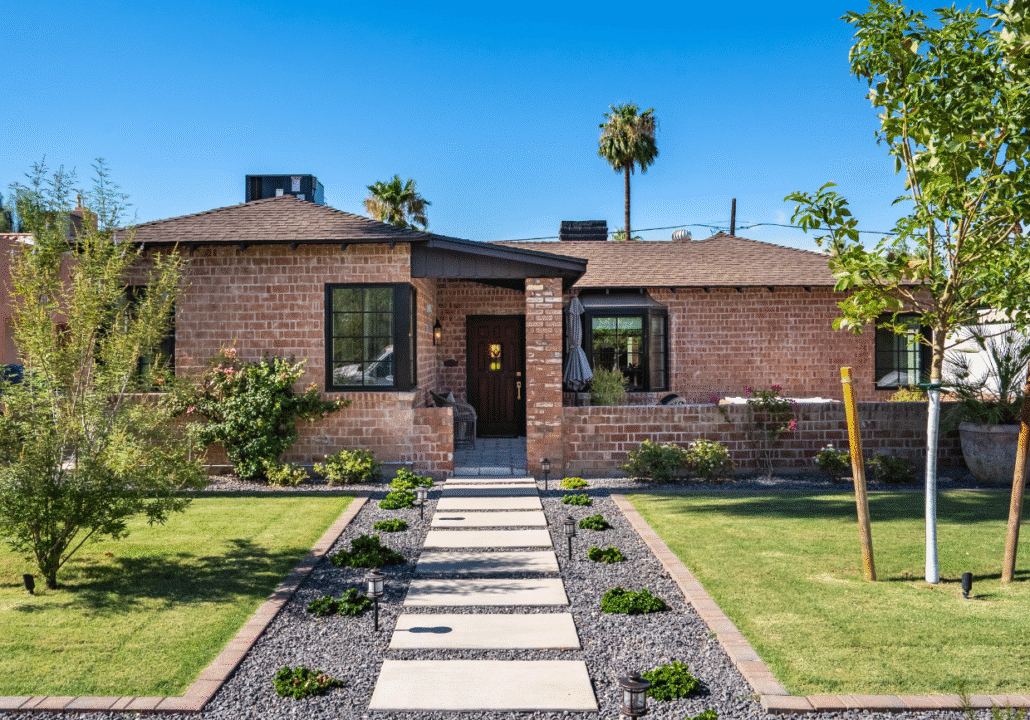
When viewed individually, each improvement completed during this project served a specific purpose. The masonry restoration preserved historic craftsmanship. The bay window reconstruction strengthened an important architectural feature. The landscape improvements enhanced the home’s relationship with its surroundings. Outdoor living spaces created new opportunities for gathering and connection. Infrastructure upgrades prepared the property for modern living. Privacy enhancements improved comfort and security. The garage restoration renewed functionality while reinforcing architectural cohesion.
The true success of the project, however, cannot be found in any single improvement.
The most meaningful transformations rarely occur because of a single feature, material selection, or design decision. Instead, they emerge from the way multiple decisions work together to support a larger vision. Successful remodeling is ultimately about relationships. It is about the relationship between past and future, architecture and lifestyle, preservation and modernization, and the home itself and the people who live within it.
From the beginning, the homeowners understood that they were caring for more than a structure. They were caring for a property that had already served generations of families and contributed to the character of its neighborhood for nearly a century. Their goal was never to create a home that looked new. Their goal was to create a home that remained authentic while becoming better equipped to serve the future.
That distinction influenced every decision throughout the project.
Rather than asking how much could be changed, the planning process focused on understanding what should be preserved. Rather than pursuing modernization for its own sake, improvements were evaluated according to how well they supported the home’s long-term future. Every upgrade needed to respect the residence’s architectural identity while enhancing the experience for the homeowners who would continue its story.
The completed project reflects that philosophy in both visible and invisible ways.
Visitors immediately notice the renewed architecture, restored masonry, improved landscape, and thoughtfully designed outdoor living spaces. They experience a property that feels welcoming, cohesive, and carefully maintained. What they may not immediately recognize is the extensive infrastructure modernization, structural restoration, and long-term planning hidden behind those visible improvements. Yet those unseen investments are equally important because they provide the foundation that allows the home to continue thriving for decades to come.
The project also demonstrates an important truth about historic remodeling. Preservation is not the opposite of progress. In many ways, preservation is what makes meaningful progress possible. By understanding what gives a historic home its character and identity, homeowners can make thoughtful improvements that strengthen those qualities rather than diminish them. The result is a property that continues evolving while remaining true to itself.
Throughout the renovation, every effort was made to ensure that new improvements felt natural to the home. The objective was not to create features that demanded attention. Instead, the goal was to create a property where architecture, landscape, infrastructure, and daily living work together so seamlessly that the improvements feel inevitable. The best compliment such a project can receive is often that the work appears as though it has always been there.
When construction was complete, the homeowners shared an observation that perfectly captured the spirit of the transformation.
“It looks exactly as we imagined — like she’s always been loved.”
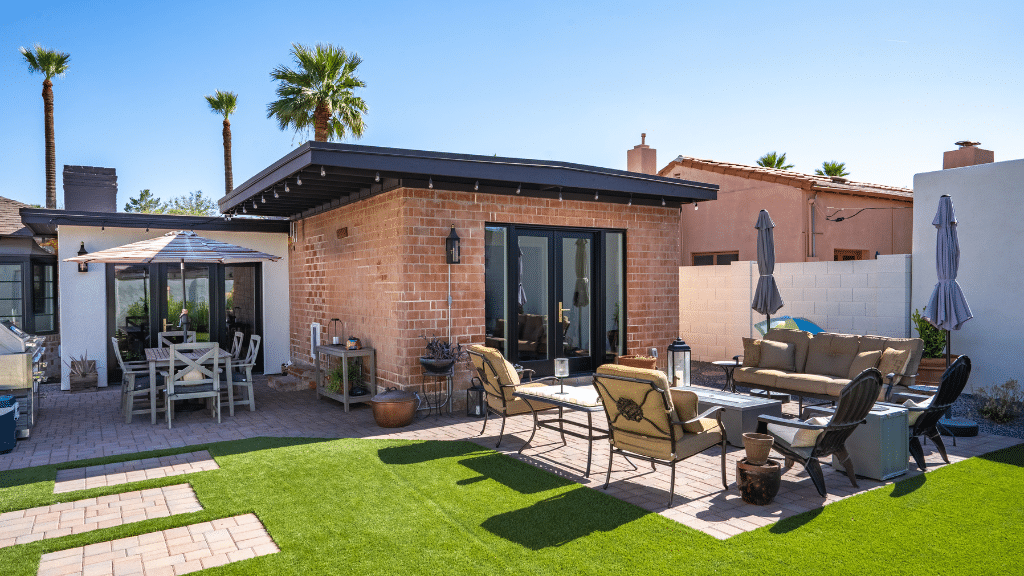
Those words resonated deeply with everyone involved in the project because they reflected the larger purpose behind the work. The home does not feel reinvented. It does not feel disconnected from its history. Instead, it feels respected, cared for, and thoughtfully prepared for the future.
That outcome represents the essence of stewardship.
Stewardship recognizes that historic homes are temporary gifts entrusted to each generation of owners. Every homeowner becomes part of a much longer story that began before they arrived and will continue long after they are gone. Remodeling decisions therefore carry a responsibility that extends beyond immediate needs and personal preferences. They influence how future generations will experience the property and whether its architectural character will endure.
By approaching the project with that perspective, the homeowners were able to create something that is both practical and meaningful. The property now supports contemporary living with greater comfort, functionality, efficiency, and enjoyment. At the same time, it continues to express the architectural qualities that made it worth preserving in the first place.
Today, the home stands as a reflection of what thoughtful historic remodeling can accomplish. It honors its past without being confined by it. It embraces modern living without abandoning its identity. It serves the needs of the present while remaining prepared for the future.
Most importantly, it continues telling the story it has been telling for nearly a century—now strengthened by another chapter written with care, respect, and intention.