
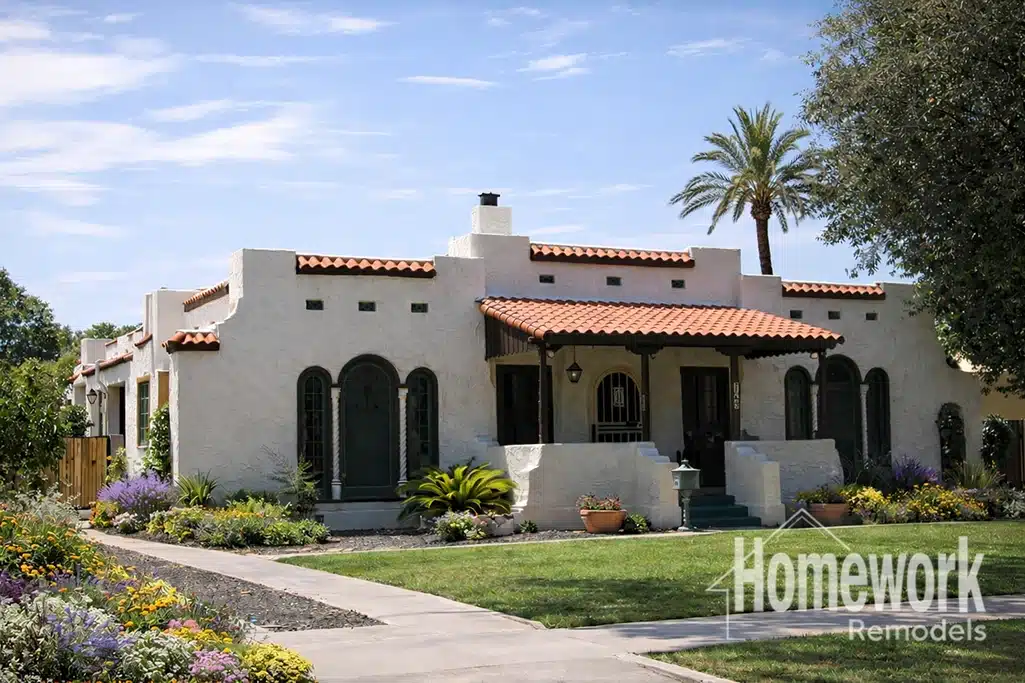
The Roosevelt Historic District, located in Downtown Phoenix near Roosevelt Row, is one of the most vibrant and evolving neighborhoods in the city. Known for its early 20th-century homes, walkable streets, and proximity to arts, dining, and cultural attractions, Roosevelt offers a unique blend of historic charm and modern urban living. Remodeling in this district isn’t about replacing what exists—it’s about adapting historic homes to meet today’s needs while preserving the architectural identity that defines the neighborhood.
Why Historic Homes in Roosevelt Require Careful Planning
Homes in the Roosevelt Historic District were built long before modern expectations for space, storage, and layout became standard. Many feature smaller footprints, defined rooms, and construction methods that differ significantly from newer homes. These characteristics are part of their appeal—but they also require a different approach to remodeling.
Urban lot constraints add another layer of complexity. Homes are often positioned closer together, with limited space for expansion. This makes it essential to work within the existing structure rather than relying on outward growth.
A thoughtful planning process, such as the one outlined in home remodeling in Roosevelt Historic District, helps homeowners understand how to balance preservation with modernization. By addressing these factors early, it’s possible to create a plan that respects the home while improving how it functions.
Common Challenges When Updating Urban Historic Homes
One of the most common challenges in Roosevelt homes is limited space. Kitchens are often small and separated from living areas, making them less functional for modern lifestyles. Bathrooms may be outdated in both layout and performance, creating daily inefficiencies.
Storage is another issue. Historic homes were not designed with today’s storage needs in mind, which can lead to clutter and a lack of organization.
Structural considerations can also complicate updates. Older framing systems and materials require careful evaluation before any modifications are made. Projects such as kitchen remodeling in Roosevelt and bathroom remodeling in Roosevelt benefit from a planning approach that considers both functionality and preservation.
Enhancing Layout in Historic Urban Homes
Improving layout is often the most effective way to adapt a historic home for modern living. In Roosevelt, where expansion is limited, rethinking how existing spaces connect can have a significant impact.
Open concept design can help create a more connected and functional environment, even within a smaller footprint. Projects like open concept remodeling in Roosevelt can improve flow and make the home feel more spacious.
However, these changes must be approached carefully. Removing walls or altering layouts without understanding the original structure can disrupt the home’s balance. Work involving removing load-bearing walls in Roosevelt should always be planned with both structural integrity and design continuity in mind.
Integrating Modern Systems in Historic Urban Homes
Behind the walls of many Roosevelt homes are systems that no longer meet modern standards. Electrical wiring, plumbing, and HVAC systems often need to be upgraded to support today’s lifestyle.
Integrating these upgrades in a historic home requires careful planning. Space is often limited, and visible changes must be minimized to preserve the home’s character.
Balancing performance with preservation is key. Homeowners who take a thoughtful approach to these upgrades can achieve a home that feels both authentic and comfortable. Resources like remodeling older homes without losing character provide valuable guidance for navigating these decisions.
Historic Urban Remodeling Insight
Remodeling in a dense historic neighborhood requires precision. Every decision—from layout changes to system upgrades—must be carefully considered within the context of the home and its surroundings. When constraints are respected and planning is thorough, the result is a home that feels both modern and true to its origins.
The Design-Build Advantage for Historic Urban Remodeling
The design-build approach is especially valuable in environments like Roosevelt, where space is limited and coordination is critical. By integrating design, planning, and construction into a single process, homeowners can navigate complex decisions more effectively.
This approach ensures that all aspects of the project are aligned from the start, reducing the risk of unexpected issues during construction. It also provides a clearer understanding of how design choices impact cost and timeline.
For homeowners evaluating their options, reviewing design-build vs traditional remodeling can help clarify why a unified process often leads to better outcomes.
Closing Thoughts on Remodeling in Roosevelt
Remodeling a home in the Roosevelt Historic District is an opportunity to create a space that blends history with modern living. With thoughtful planning and a respect for the home’s original character, homeowners can achieve a balance that enhances both function and beauty.
By approaching the process with care and clarity, a remodel can become a seamless extension of the home’s story.
Homework Remodels is a Phoenix-based design-build remodeling company serving the Roosevelt Historic District, Downtown Phoenix, and surrounding communities. Our team specializes in historic renovations, structural updates, and thoughtful remodeling solutions that respect the unique character of urban homes.
Explore our client remodeling testimonials to see how homeowners across the Valley have experienced the remodeling process, or schedule a consultation to begin planning your project with clarity and confidence.