
Award-Winning Spanish Colonial Kitchen Remodel in Phoenix’s Willo Historic District
Expanding Function While Preserving Authentic Character
2025 Remodeler of the Year (RotY) Winner
Residential Kitchen Remodel | $100,000–$150,000
A Kitchen That Needed to Work Better Without Losing Its Identity
This Spanish Colonial kitchen remodel in Phoenix’s Willo Historic District expanded storage, improved circulation, and reinforced the architectural character of the home. The original kitchen functioned, but it lacked organization and efficient flow, making everyday use feel constrained despite the home’s inherent charm. Storage was limited, work zones felt disconnected, and the space did not fully support how the homeowners lived.
The goal was not simply to modernize the kitchen, but to improve performance while preserving its historic identity. The homeowners came prepared with a clear vision and a strong appreciation for craftsmanship, prioritizing solutions that felt authentic rather than trendy.
Achieving this required careful planning, thoughtful material selection, and precise coordination between structure and design. Projects like this reflect the balance required in historic home remodeling in Phoenix’s Willo Historic District, where preservation and performance must work together from the very beginning.
Recognized for Excellence in Both Design and Execution
This project was honored with the 2025 Remodeler of the Year award, recognizing excellence not only in craftsmanship but in how the design and construction came together.
Historic homes require more than technical skill—they require alignment. Structure, materials, and modern systems must all work together without disrupting architectural integrity. This level of coordination is a defining characteristic of a design-build remodeling approach, where planning and construction evolve as one unified process.
Designing in Harmony with Spanish Colonial Architecture
Spanish Colonial homes are defined by warmth, texture, and handcrafted detail.
Rather than introducing competing styles, the design focused on reinforcing what already existed. Plaster finishes, natural materials, and layered textures guided each decision, ensuring the kitchen felt cohesive with the rest of the home.
The goal was not to create something new. It was to create something that felt as though it had always been there.
Improving Flow Without Expanding the Footprint
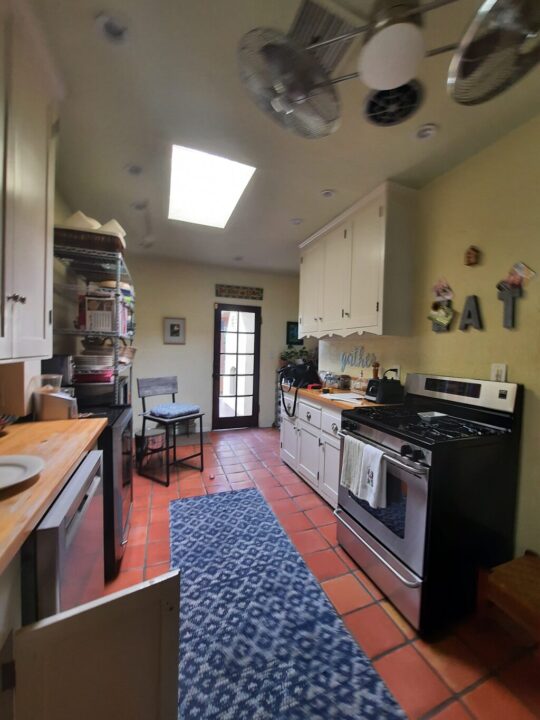
The original kitchen layout worked—but not efficiently.
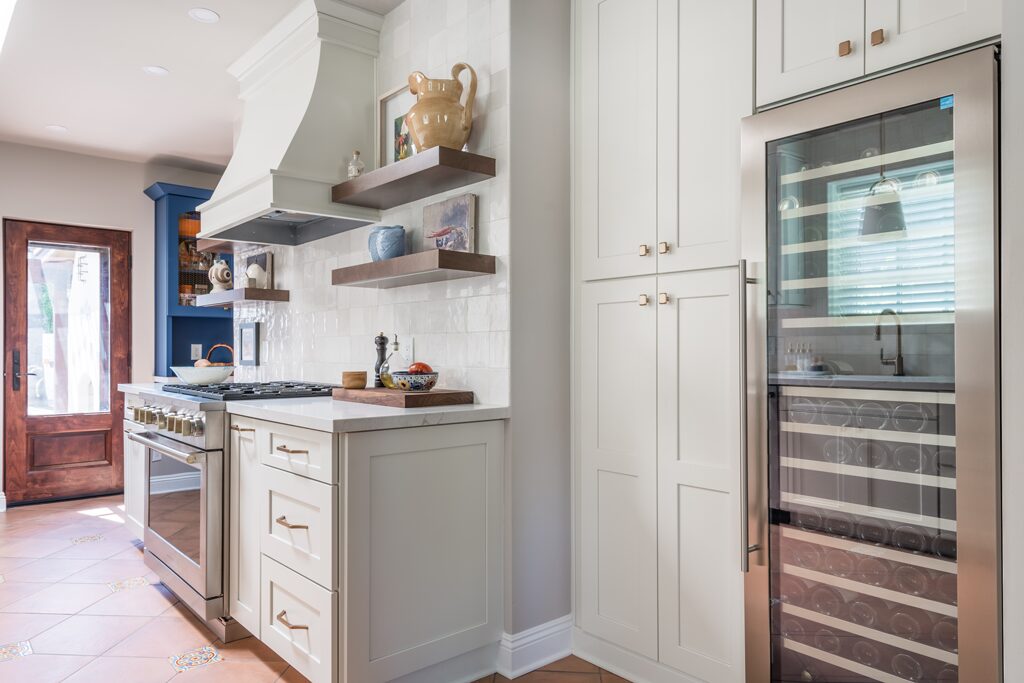
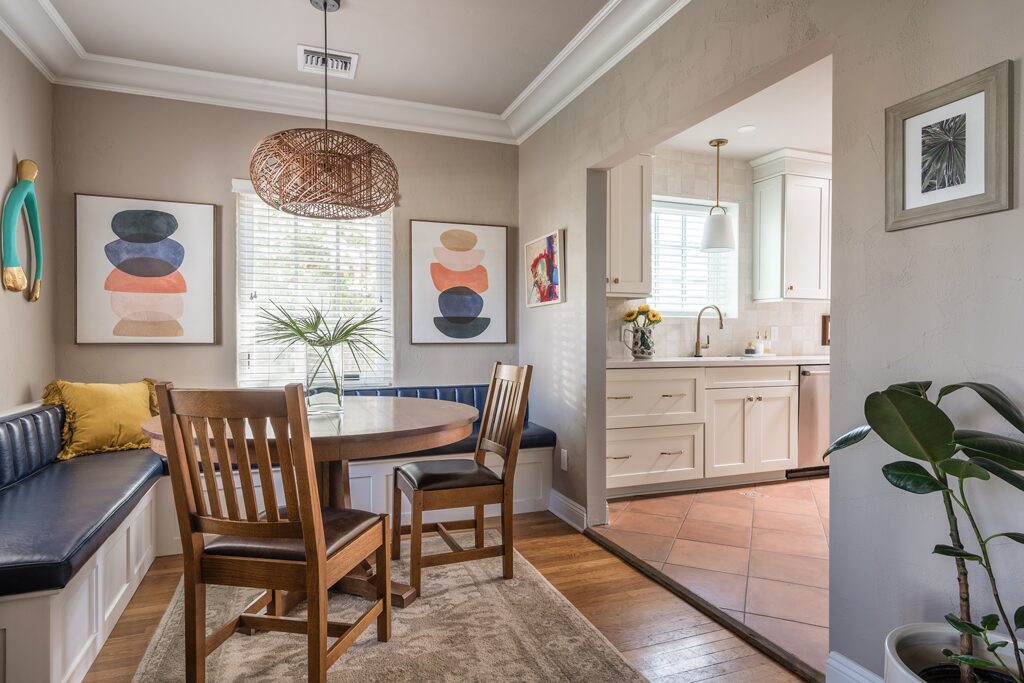
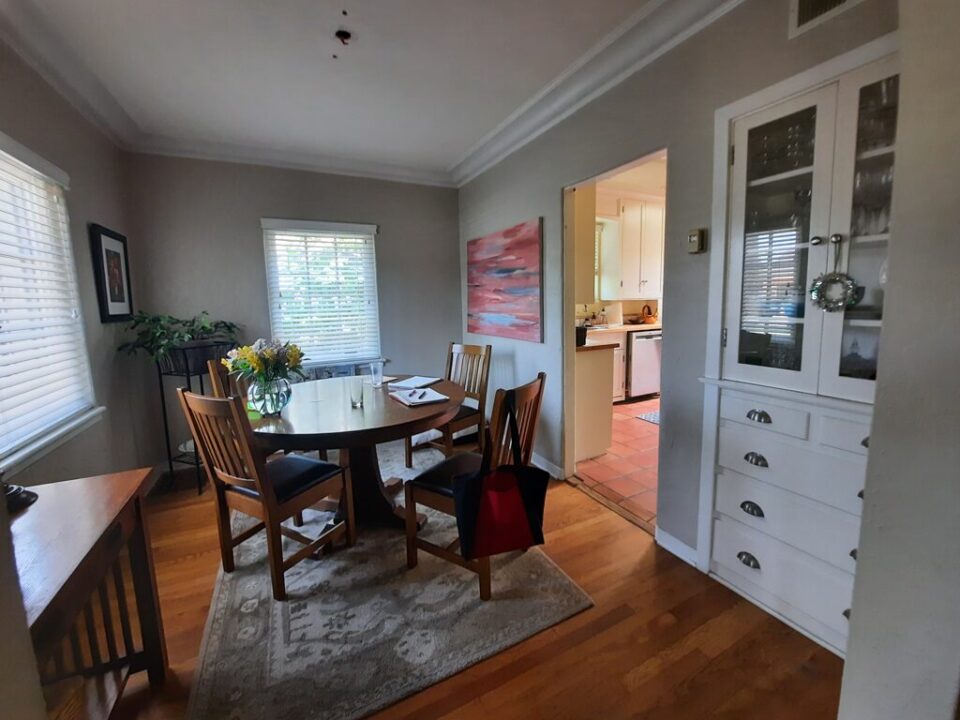
Instead of dramatically altering the space, targeted adjustments improved how the kitchen functioned. Removing a built-in china hutch created space for a pantry and wine refrigeration. Relocating the refrigerator improved workflow between preparation, cooking, and cleanup zones. Widening the dining room opening strengthened the connection between spaces.
These changes reflect the principles behind open concept remodeling in the Willo Historic District, where improved connection enhances daily living without compromising architectural character.
Storage That Supports How the Homeowners Actually Live
Storage became one of the most transformative elements of the remodel.
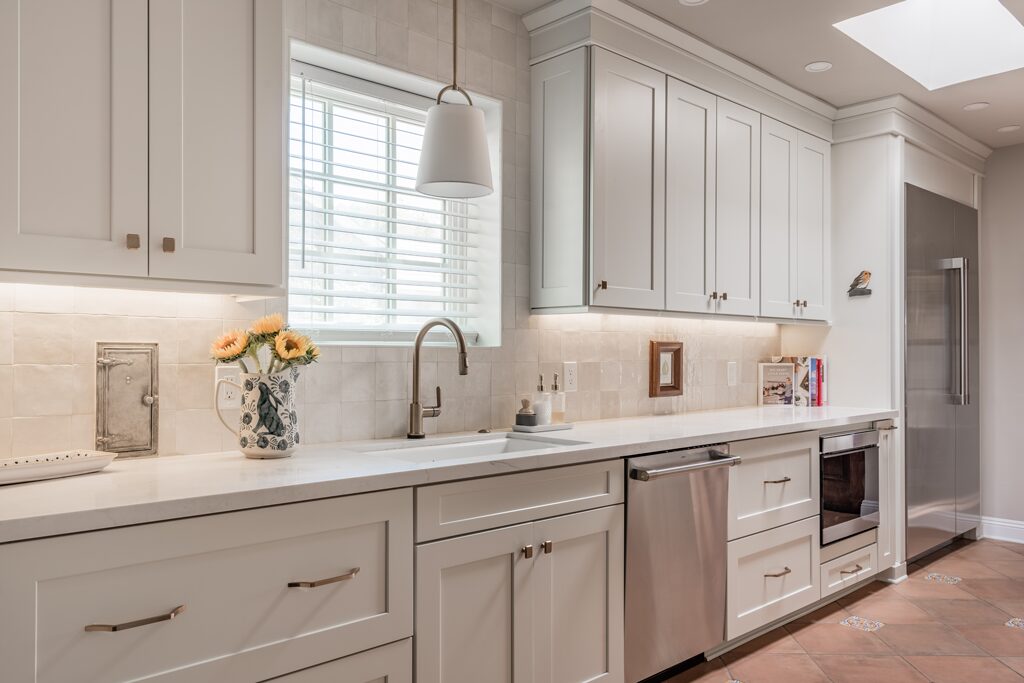
Cabinetry was expanded and raised, increasing capacity while freeing up counter space. Appliances were integrated to maintain visual balance while improving usability.
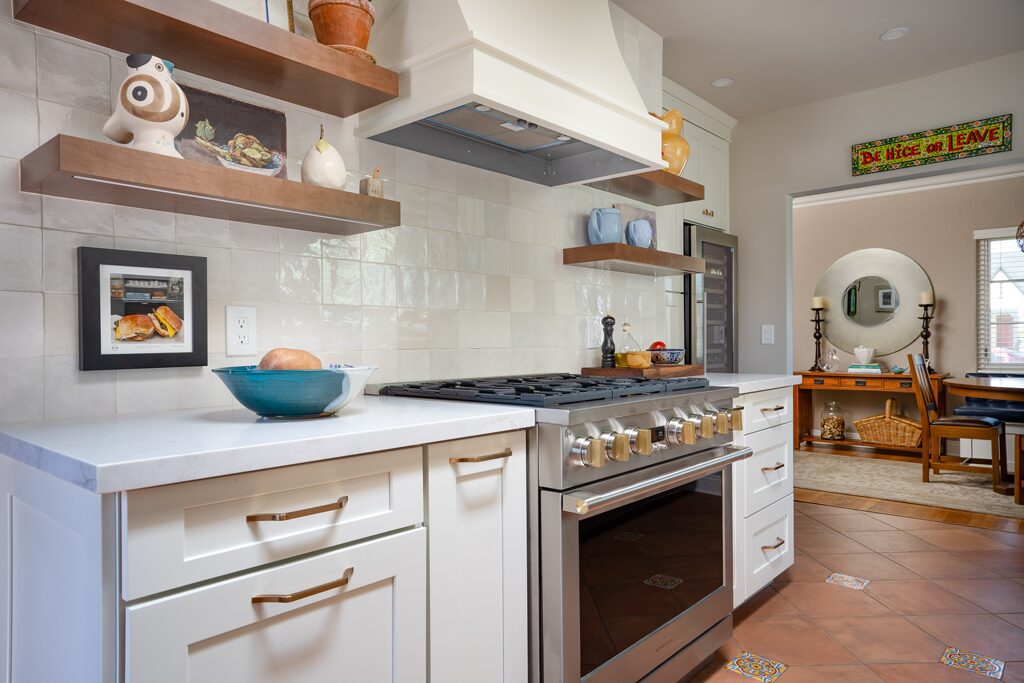
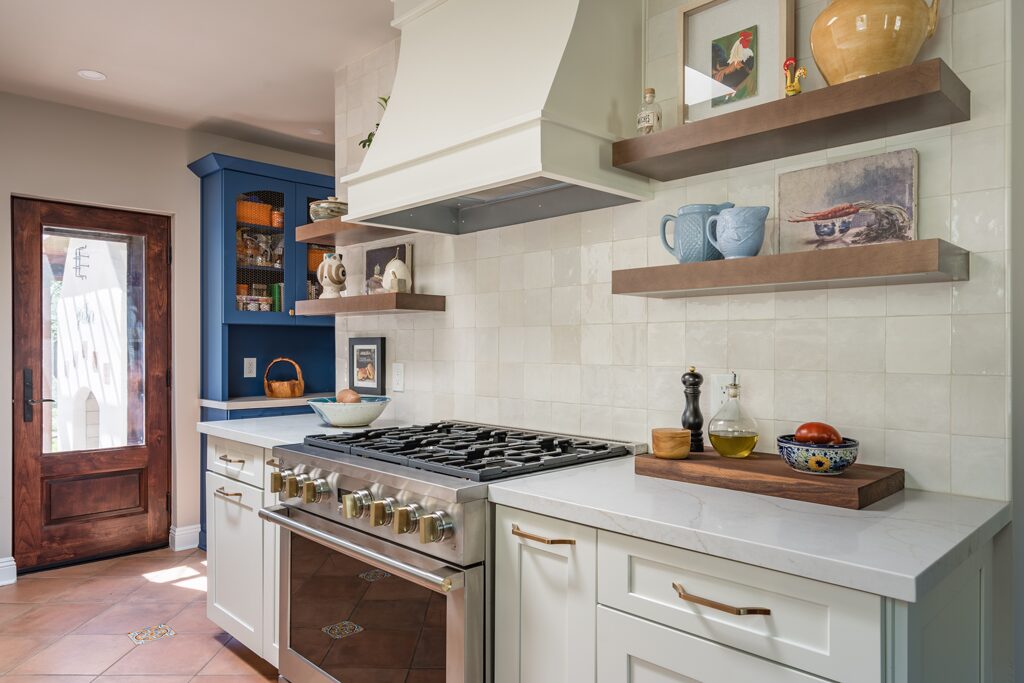
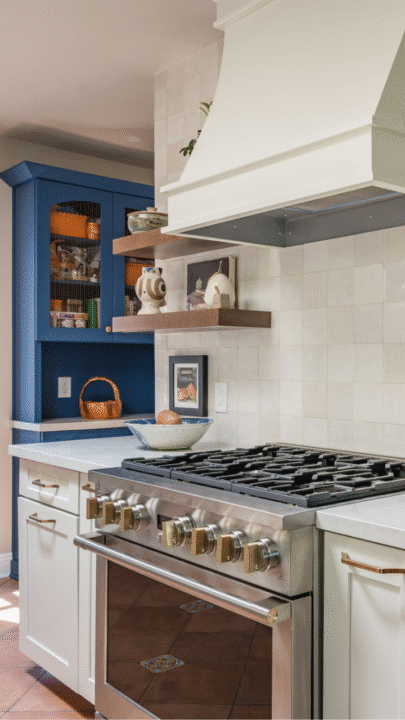
The cooking wall was redesigned for symmetry, centering the range and incorporating pull-out storage solutions. Floating wood shelves added warmth without enclosing the space.
Materials Chosen to Preserve Authentic Character
Material selection was guided by a commitment to authenticity.
The original terracotta flooring was replaced with porcelain tile that maintains the same visual warmth while improving durability and ease of maintenance. The backsplash extends into the window opening, reinforcing the handcrafted qualities associated with Spanish Colonial design.
A preserved milk door remains as a meaningful detail—connecting the remodeled space to the home’s history.
Custom Details That Bring Personality Into the Space
Beyond function, the kitchen includes carefully considered details that reflect the homeowners’ lifestyle.
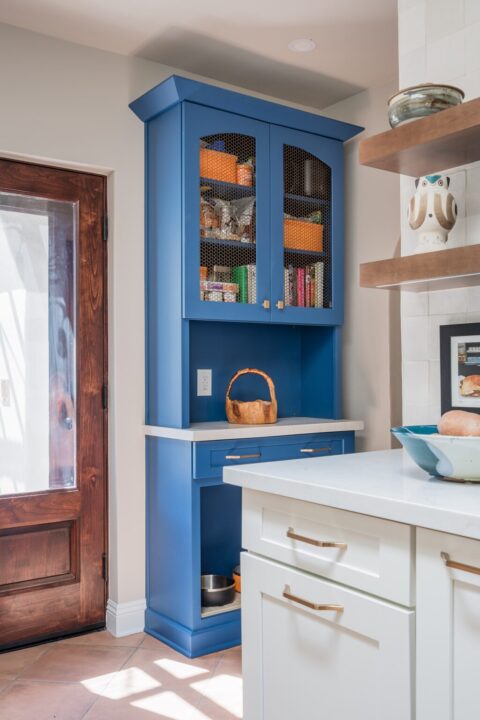
A custom blue cabinet designed for pet storage introduces both practicality and personality. Multi-piece crown molding extends across the cabinetry and range hood, reinforcing the architectural rhythm of the room.
Solving Structural Challenges Behind the Scenes
As with many historic renovations, key challenges emerged during construction.
Floors and ceilings required leveling to properly install new finishes. Adobe walls required careful coordination when integrating modern electrical and ventilation systems. Plaster repairs demanded skilled craftsmanship to seamlessly blend old and new surfaces.
These behind-the-scenes efforts ensure the kitchen performs reliably while maintaining its authentic appearance.
For homeowners considering similar changes, understanding structural planning in older homes is critical, especially in projects like historic home remodeling in Phoenix’s Willo Historic District.
Extending the Remodel Beyond the Kitchen Itself
The remodel also improved how the home functions at the back entry.
A new custom door was installed to enhance durability while matching the architectural style of the home. An integrated screen allows fresh air to circulate through the kitchen, improving comfort during both everyday use and gatherings.
A Remodel That Took on New Meaning Over Time
During the planning phase, the homeowners experienced an unexpected life event that paused the project.
When they returned, the purpose of the remodel had shifted. It was no longer just about improving a kitchen—it was about creating a space that supported connection, comfort, and daily life.
That perspective shaped every final decision.
Why Restraint Is Essential in Historic Remodeling
Historic kitchens succeed when restraint guides the design.
Rather than introducing competing styles, the most effective remodels refine what already exists—enhancing performance while preserving identity. Homeowners looking to better understand how these decisions come together often explore the Homeowner Core Guides, which explain the planning, sequencing, and design thinking behind successful remodeling outcomes.
A Kitchen That Now Feels Complete and Connected
Today, the kitchen feels brighter, more organized, and significantly more functional.
Storage has expanded. Circulation has improved. Materials feel authentic. The space supports both daily routines and meaningful gatherings.
Most importantly, it feels connected—to the home, to its history, and to the people who live there.
What Defines a Successful Historic Kitchen Remodel
A successful historic kitchen remodel is defined by alignment.
It requires understanding the architecture, selecting appropriate materials, and integrating modern functionality in a way that feels natural. When done correctly, the result is timeless.
Explore Related Remodeling Possibilities
Homeowners exploring similar projects often continue with:
- Kitchen remodeling in the Willo Historic District
- Whole-home remodeling in the Willo Historic District
- Home additions in the Willo Historic District
Considering a Historic Kitchen Remodel in the Willo District?
Historic homes require more than construction—they require understanding.
At Homework Remodels, we guide homeowners through a thoughtful process that aligns architecture, materials, and function from the beginning. Our team includes NARI Certified Remodelers, bringing proven expertise to complex remodeling projects.
Project Specifications
Project Name: Spanish Colonial Kitchen Remodel
Location: Willo Historic District — Phoenix, Arizona
Home Style: Spanish Colonial
Project Type: Historic Kitchen Remodel
Construction Cost: $100,000–$150,000
Completion Year: 2025
Remodeling Method: Design-Build Remodeling
Builder: Homework Remodels
Award: 2025 NARI Remodeler of the Year (RotY) Winner
Key Features: Expanded storage, pantry addition, column refrigeration, microwave drawer, restored milk door, porcelain tile flooring, custom cabinetry, plaster restoration