
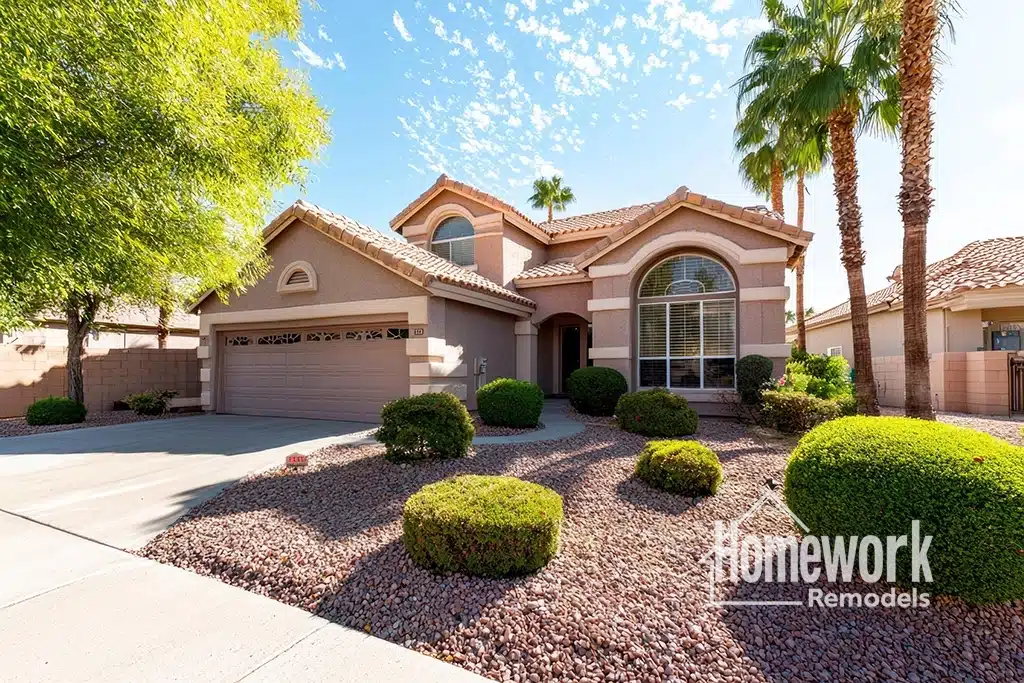
The Role of Neighborhood Design Standards in Tempe
Remodeling a home in Tempe isn’t governed by a single rulebook. Instead, decisions are shaped by a layered system of neighborhood design standards—some formal, some informal, and many misunderstood. Homeowners often encounter these standards only after plans are underway, when revisions become costly and timelines stretch.
Understanding the role neighborhood design standards play before design begins can dramatically improve outcomes. These standards don’t exist to limit creativity; they exist to maintain coherence, protect neighborhood character, and guide change so it feels intentional rather than disruptive.
What “Design Standards” Really Mean in Tempe
In Tempe, design standards can come from multiple sources. Historic districts may have preservation guidelines. Some neighborhoods fall under HOA review. Others rely on zoning codes, setback rules, or city-level design expectations.
In many cases, these standards don’t dictate what you must build—they influence how changes are evaluated. Scale, proportion, visibility, and relationship to the street often matter more than finishes or interior layouts.
Because standards vary by neighborhood, assumptions based on other parts of the city can lead homeowners astray.
The Core Decision: Speed vs. Alignment
One of the most common tensions homeowners face is deciding whether to move quickly or to align carefully with neighborhood standards.
Rushing design decisions can feel efficient in the short term. But when plans conflict with local expectations, revisions become inevitable. Each revision compounds cost, delays construction, and erodes confidence.
Homeowners who take time to understand standards early often experience smoother approvals and fewer compromises later. Alignment upfront saves time overall.
Standards Shape Scale More Than Style
Many homeowners worry that design standards will dictate aesthetics. In practice, standards are usually more concerned with scale and massing than stylistic expression.
In Tempe neighborhoods, this often means protecting consistent roof heights, maintaining setbacks, or ensuring additions don’t overwhelm original structures. A remodel that respects scale can often accommodate a wide range of styles.
Problems arise when additions feel out of proportion—even if the materials are technically compliant.
Visibility Changes Everything
Design standards tend to focus on what’s visible from public spaces. Street-facing façades, rooflines, and front-yard relationships carry more weight than changes tucked behind the home.
This distinction creates opportunity. Interior reconfigurations and rear additions often allow greater flexibility, while front-facing changes require more restraint.
Homeowners who understand this hierarchy can allocate design energy where it has the greatest impact—and least resistance.
Neighborhood Rhythm Matters
Beyond written rules, neighborhoods have rhythms. Similar setbacks, repeated forms, and consistent transitions create a sense of cohesion that residents value, even if they can’t articulate why.
Remodels that ignore this rhythm often feel jarring. Those that respond to it—through proportion, placement, and scale—tend to feel natural.
This doesn’t mean copying neighboring homes. It means understanding the underlying patterns that make the neighborhood feel unified.
Design Standards as a Planning Tool
When homeowners treat standards as obstacles, remodeling becomes adversarial. When they treat standards as planning tools, decisions often become clearer.
Standards can help answer questions like:
- How large is too large for an addition?
- Where should new mass be placed?
- Which changes will attract scrutiny?
Using standards proactively reduces guesswork and emotional rework.
Why Neighborhood Context Protects Long-Term Value
Homes that align with neighborhood standards tend to hold value better over time. Buyers often gravitate toward areas that feel cohesive and intentional.
Even high-end remodels can suffer in resale if they feel disconnected from their surroundings. Conversely, thoughtful projects that respect context often feel timeless—even years later.
Neighborhood standards play a quiet but powerful role in that longevity.
Coordinating Standards with Design-Build Planning
Design standards are most manageable when they’re integrated into the design-build process early. Coordinating architecture, structure, and approval strategy reduces late-stage surprises.
This approach allows homeowners to explore options realistically rather than aspirationally—leading to fewer compromises and better outcomes.
For homeowners evaluating changes that affect layout or massing, understanding how standards intersect with broader planning decisions across Tempe can be helpful. The Home Remodeling in Tempe, AZ hub provides additional context on how neighborhood-specific considerations shape successful remodels.
Standards Don’t Eliminate Creativity—They Refine It
Creativity thrives within boundaries. Neighborhood design standards provide those boundaries, helping ensure change feels considered rather than arbitrary.
When homeowners embrace this framework, remodels tend to feel more confident, more coherent, and more enduring.
Let’s Plan Your Remodel with Clarity
If you’re thinking about remodeling your home in Tempe, the most valuable first step is a clear, pressure-free conversation. Understanding your neighborhood’s design standards before design begins helps avoid costly surprises and ensures decisions feel confident—not rushed.
If you’d like to explore your options, you can schedule a free remodeling consultation with our design-build team. We’ll help you evaluate constraints, possibilities, and next steps so you can move forward with clarity.