
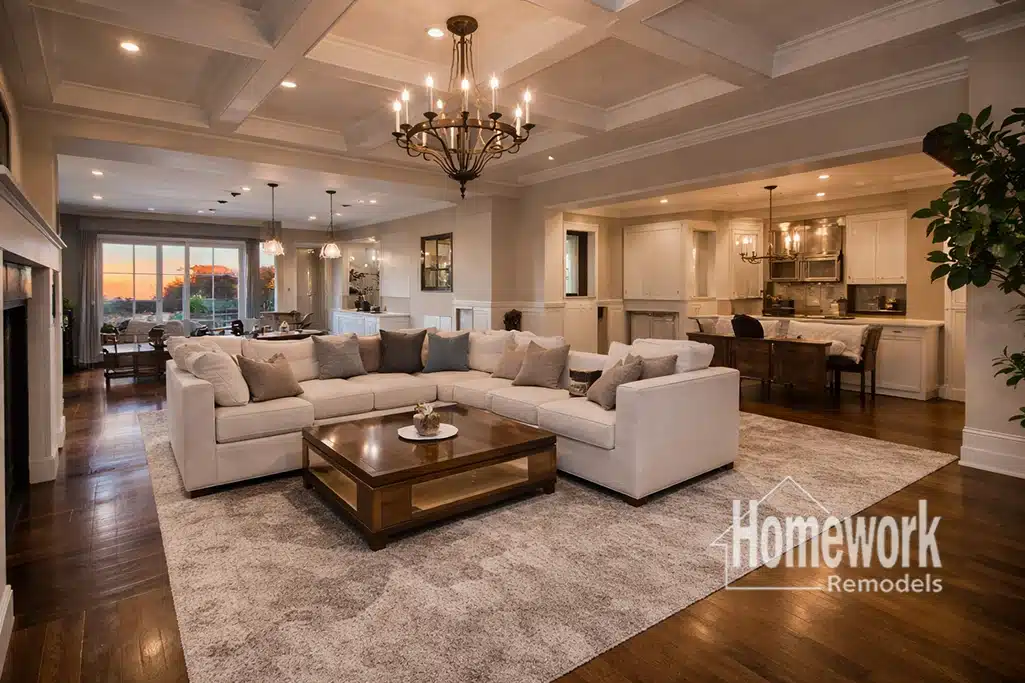
Roosevelt Historic District remains one of downtown Phoenix’s most architecturally distinctive neighborhoods, blending historic charm with creative urban living. Near Roosevelt Row, Margaret T. Hance Park, and the arts corridor surrounding downtown Phoenix, the neighborhood is known for its early twentieth-century bungalows, brick cottages, and preserved historic residences. As more homeowners modernize these homes for contemporary lifestyles, many are searching for ways to create open, connected living spaces without compromising the historic character that makes Roosevelt so unique.
Older homes in Roosevelt were originally designed with more compartmentalized layouts than modern homes. Formal dining rooms, enclosed kitchens, narrow hallways, and separated living spaces reflected the architectural priorities of their era. While these floor plans often contribute to a home’s historic identity, they may not fully support the way families and homeowners live today. Open concept remodeling offers opportunities to improve flow, functionality, and natural light while still preserving original architectural details.
The most successful historic remodels focus on balance rather than complete transformation. Instead of removing every wall or fully modernizing the layout, many Roosevelt homeowners choose targeted improvements that enhance connectivity while preserving original room proportions, built-ins, millwork, and historic design elements. A thoughtful remodeling approach can make a home feel more spacious and livable while maintaining the warmth and craftsmanship that define historic architecture.
Many homeowners begin by reviewing remodeling resources and learning about the benefits of the design-build remodeling process. Historic remodeling often requires close coordination between design, engineering, and construction teams to ensure structural changes respect both the architecture and long-term integrity of the home.
Creating Better Flow Without Erasing Historic Character
Open concept remodeling in historic homes requires a more nuanced approach than in newer construction. Rather than completely eliminating separation between rooms, many Roosevelt homeowners focus on selectively widening openings, improving sightlines, and creating better circulation between gathering spaces.
Projects involving open concept remodeling in Roosevelt often preserve original ceiling details, arched openings, window trim, and built-in cabinetry while introducing greater visual openness. In many cases, maintaining subtle transitions between rooms helps preserve the home’s original architectural rhythm even as the layout becomes more functional for modern living.
Structural modifications are often necessary to achieve these goals safely. Because many Roosevelt homes were built using older framing techniques, wall removal and layout changes require careful engineering evaluation. Homeowners frequently explore guidance related to removing load-bearing walls and may also review local expertise through load-bearing wall removal in Roosevelt homes.
Kitchens are often central to these remodeling projects. Historic kitchens were typically isolated workspaces with limited storage and restricted flow. Today’s homeowners frequently want kitchens that connect more naturally with dining and living areas while still complementing the architectural style of the home. Carefully planned kitchen remodeling in Roosevelt can improve functionality while preserving vintage-inspired finishes, proportions, and detailing.
Planning Open Living Spaces in Historic Homes
Creating open living concepts in historic homes involves more than simply removing walls. Successful projects require careful planning around structure, circulation, lighting, and preservation-sensitive design decisions. Many Roosevelt homeowners prioritize maintaining original materials wherever possible, including hardwood flooring, plaster walls, exposed brick, and historic windows.
Comprehensive renovations involving whole home remodeling in Roosevelt Historic District often allow homeowners to address multiple challenges at once, including outdated layouts, aging infrastructure, and limited storage. Integrating these improvements into one coordinated remodeling strategy can help ensure the final result feels cohesive and historically appropriate.
Historic homes also benefit from thoughtful natural light improvements. Opening visual connections between rooms can allow daylight to travel more effectively through the home while preserving the original window patterns and exterior architecture. Many homeowners explore inspiration from open concept remodeling ideas and historic home remodeling ideas when planning these types of updates.
Because Roosevelt Historic District is known for its walkability and urban character, many remodeling projects also focus on strengthening indoor-outdoor connections. Expanding access to patios, courtyards, and shaded outdoor spaces can help historic homes feel larger and more adaptable to Arizona living without significantly altering the home’s historic footprint.
Historic Remodeling Insight
Open concept remodeling in historic homes works best when the original architecture guides the design decisions rather than competing against them. Preserving meaningful architectural details while strategically improving flow allows homeowners to create spaces that feel both timeless and highly functional. In Roosevelt Historic District, subtle and thoughtful changes often produce the most authentic and livable results.
Preserving Roosevelt’s Historic Identity Through Thoughtful Remodeling
One of the reasons Roosevelt remains so desirable is the neighborhood’s strong sense of architectural identity. Homeowners are often drawn to the craftsmanship, scale, and personality that older homes provide. Remodeling projects that respect these qualities help preserve the visual character and cultural history of downtown Phoenix.
At the same time, homeowners want spaces that support contemporary lifestyles, including flexible entertaining areas, improved storage, better circulation, and modern kitchens and bathrooms. Thoughtful remodeling allows these goals to coexist without diminishing the historic integrity of the home.
Many homeowners planning preservation-focused renovations review educational resources such as remodeling older homes without losing character and the open concept remodeling guide to better understand how layout changes can impact both functionality and architectural preservation.
Creating open living spaces in Roosevelt Historic District is ultimately about improving the way historic homes support modern life while preserving the craftsmanship and design details that make the neighborhood so distinctive. With careful planning and preservation-sensitive remodeling, homeowners can create spaces that feel welcoming, functional, and deeply connected to Roosevelt’s architectural heritage.
Homework Remodels is a Phoenix-based design-build remodeling company serving Roosevelt Historic District, Willo, Encanto-Palmcroft, F.Q. Story, and surrounding communities across the Valley. Our team specializes in thoughtful renovations, historic home remodeling, and architectural transformations that preserve the character of established Phoenix neighborhoods.
Client remodeling testimonials