
Preserving Architectural Warmth in Mid-Century Renovations
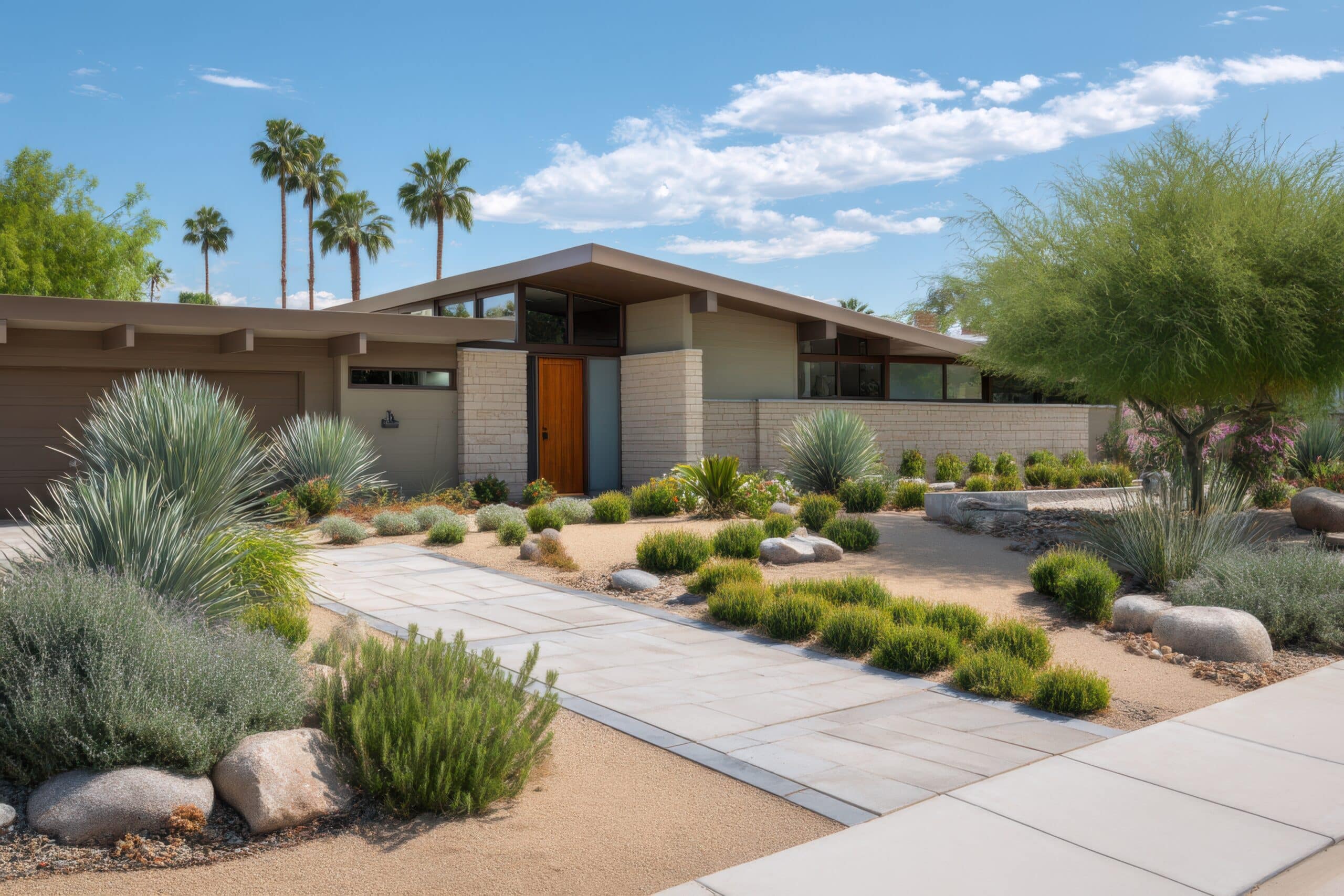
Mid-Century Modern homes throughout Phoenix neighborhoods such as Arcadia Lite, Village Grove, Windsor Square, and Marlen Grove are often admired for their clean lines and minimalist appearance. Yet beneath that simplicity lies another defining quality that is just as important: warmth. Unlike many contemporary minimalist homes that can sometimes feel stark or impersonal, Mid-Century Modern homes were intentionally designed to feel inviting through their use of natural materials, abundant daylight, balanced proportions, and strong connections to the outdoors.
As homeowners renovate these architectural treasures, preserving that warmth becomes just as important as maintaining their structural integrity. Thoughtful remodeling should enhance comfort without losing the welcoming atmosphere that has made Mid-Century Modern homes timeless for generations.
Warmth Begins with Natural Materials
Mid-Century architects believed materials should express their natural beauty rather than be hidden behind ornamentation. Wood ceilings, exposed beams, natural stone, brick accents, and simple plaster surfaces all contributed to interiors that felt comfortable, authentic, and connected to nature.
These materials provided visual warmth while reinforcing the clean geometry that defines Mid-Century design.
Many homeowners begin planning preservation-focused renovations by visiting the Homework Remodels Resources page and learning how design-build remodeling coordinates architecture, engineering, and construction through one integrated process.
Additional guidance can be found in the Mid-Century Modern Home Remodeling Guide and the Core Guide on Design-Build vs. Traditional Remodeling.
Understanding the role materials play in shaping the home’s character helps homeowners make remodeling decisions that respect its original architectural vision.
Light and Proportion Create Comfortable Spaces
Architectural warmth is not created by materials alone. Natural light, ceiling height, room proportions, and visual openness all contribute to how a Mid-Century home feels throughout the day.
Large windows and clerestory glazing allow sunlight to move gently through interior spaces, while carefully planned layouts create comfortable transitions between gathering areas and private rooms.
Homeowners considering layout improvements often explore the Open Concept Remodeling Guide together with Open Concept Remodeling Ideas to understand how openness can be enhanced without disrupting the home’s architectural balance.
Kitchen renovations also play an important role in preserving warmth. Many homeowners review Kitchen Remodeling Ideas to create kitchens that remain visually connected to adjacent living spaces while maintaining clean lines and natural material palettes.
Thoughtful design allows rooms to feel both spacious and welcoming at the same time.
Modern Updates Should Feel Like They Belong
One of the greatest challenges in Mid-Century remodeling is incorporating modern conveniences without making the home feel disconnected from its original architecture.
Updated lighting, cabinetry, flooring, and mechanical systems should complement the home’s existing proportions rather than dominate them. Successful renovations often feel as though they could have been part of the original design.
Homeowners planning comprehensive renovations frequently explore Whole Home Remodeling to coordinate improvements across the entire home.
If structural modifications are required, projects involving Removing Load-Bearing Walls should preserve important architectural relationships between beams, ceilings, windows, and circulation paths. The Core Guide on Structural Remodeling: What Homeowners Need to Understand Before Removing Walls offers valuable insight into this process.
Careful planning helps ensure that modern improvements strengthen the home’s warmth instead of diminishing it.
Design Insight from a Design-Build Remodeler
Architectural warmth comes from the way every design element works together. Natural materials, balanced proportions, soft daylight, and thoughtful transitions between rooms all contribute to the experience of living in a Mid-Century home. Successful remodeling protects these relationships while carefully integrating modern amenities. The result is a home that feels updated yet still unmistakably authentic.
Timeless Comfort Comes from Authentic Design
Many homeowners are drawn to Mid-Century Modern homes because they offer something increasingly rare: simplicity without sacrificing comfort. Their warmth comes from thoughtful architecture rather than decorative excess, making them feel inviting regardless of changing design trends.
Preserving these qualities during remodeling helps maintain both long-term enjoyment and lasting value.
Homeowners interested in preservation-focused remodeling often explore Remodeling Historic Homes and the Core Guide on Remodeling Older Homes Without Losing Character.
For additional inspiration, many homeowners also review Whole Home Remodeling Ideas and Outdoor Living Remodeling Ideas while planning future renovations.
Ultimately, preserving architectural warmth ensures that Mid-Century Modern homes remain as comfortable, welcoming, and timeless tomorrow as they were when they were first built.
Mid-Century Modern homes demonstrate that simplicity and warmth can exist together beautifully. By preserving natural materials, thoughtful proportions, abundant daylight, and architectural authenticity during remodeling, homeowners can create living spaces that continue to reflect the timeless qualities that have made these homes enduring icons throughout Phoenix.
Homework Remodels is a Phoenix-based award-winning design-build remodeling company serving Mid-Century Modern neighborhoods throughout Phoenix, Arcadia Lite, Village Grove, Windsor Square, Scottsdale, and surrounding communities across the Valley. Our team specializes in thoughtful renovations that preserve architectural character while creating homes designed for generations of comfortable living.