
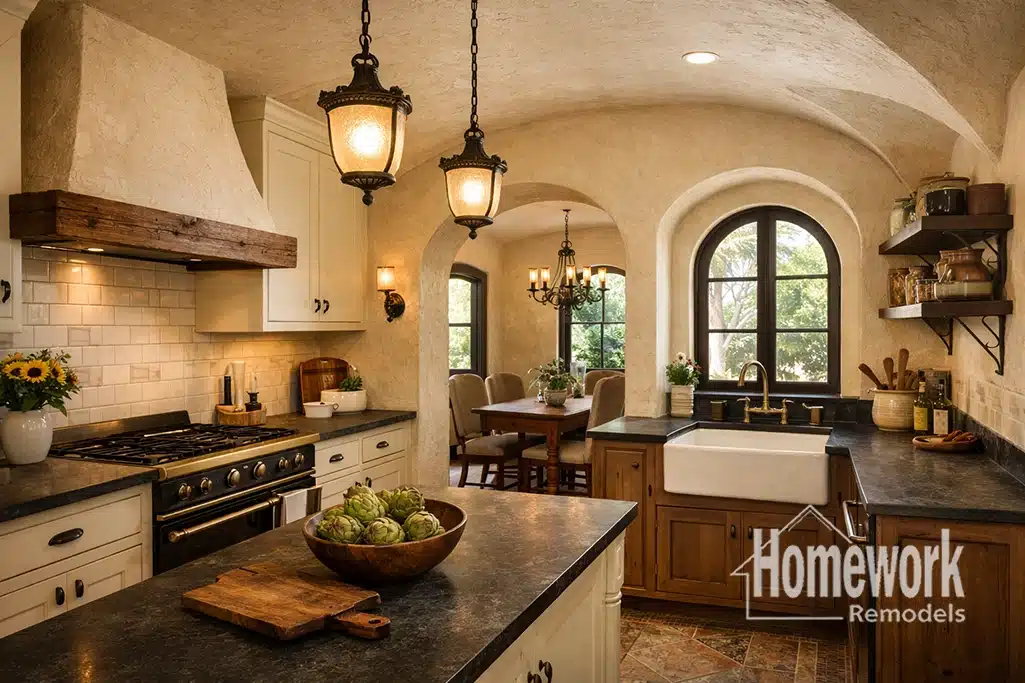
In the F.Q. Story Historic District, dining rooms have long served as the heart of the home. Many of these early Phoenix residences were designed with formal dining spaces that reflected the architectural traditions of the 1920s and 1930s, complete with original hardwood flooring, built-in cabinetry, arched transitions, and detailed millwork. Located near Downtown Phoenix, Encanto, and Roosevelt Row, F.Q. Story remains one of the Valley’s most treasured historic neighborhoods, where homeowners continue investing in thoughtful renovations that preserve architectural integrity while improving how homes function for modern living.
Today’s families often use dining spaces differently than previous generations. Formal rooms that once hosted occasional dinners now serve multiple purposes, including entertaining, remote work, homework, and everyday gathering spaces. As homeowners rethink how these rooms fit into modern lifestyles, many are looking for ways to improve connectivity, comfort, lighting, and flow without losing the historic character that defines their homes.
Many homeowners begin planning by reviewing the Homework Remodels resources page and exploring how a design-build remodeling process supports preservation-focused renovations. Historic homes often contain structural limitations, aging materials, and layout constraints that require careful planning before construction begins. Resources like remodeling older homes without losing character help homeowners understand how restoration and modernization can work together to support both livability and architectural authenticity.
Dining rooms in historic Phoenix homes were traditionally separated from kitchens and living areas to create formal entertaining spaces. While many homeowners appreciate these original layouts, some seek subtle modifications that allow better interaction between rooms during gatherings. Rather than completely eliminating walls, thoughtful remodeling often focuses on widening openings, improving circulation, and increasing natural light while preserving original trim details and room proportions.
Structural modifications should always be approached carefully in older homes. Many F.Q. Story properties contain original framing systems that require engineering evaluation before walls can be altered. Homeowners researching these improvements often review the open concept remodeling guide along with information about structural remodeling before removing walls. Understanding how structure and preservation intersect allows homeowners to make informed decisions that improve functionality while protecting historic value.
Modernizing Historic Dining Spaces in F.Q. Story
One of the most effective ways to improve a historic dining room is through thoughtful lighting and layout enhancements. Original homes in F.Q. Story often relied on smaller windows and compartmentalized floor plans that can feel darker by modern standards. Strategic lighting upgrades, refinished woodwork, and carefully selected fixtures can dramatically improve comfort while maintaining period-appropriate design language.
Many homeowners also look for ways to create better continuity between kitchens and dining areas. Projects involving open concept remodeling in F.Q. Story or load-bearing wall removal in F.Q. Story can help improve flow while preserving architectural details like coved ceilings, original archways, and built-in cabinetry.
Kitchen renovations frequently play an important supporting role in improving dining functionality. Older kitchens were not designed for today’s entertaining habits or appliance needs, making circulation between spaces more difficult during gatherings. A carefully planned kitchen remodeling project in F.Q. Story can improve storage, workflow, and connectivity while respecting the home’s historic character. Many homeowners also explore historic home remodeling ideas for inspiration that complements the neighborhood’s traditional architectural style.
Preservation-focused remodeling also involves protecting original craftsmanship whenever possible. Features like plaster walls, hardwood floors, vintage windows, and handcrafted trim contribute significantly to the personality of historic homes. Rather than replacing these elements, many successful renovations focus on restoring and integrating them into updated layouts that support modern living.
Historic Remodeling Insight
Historic dining rooms often succeed because of their proportions, detailing, and sense of intimacy — qualities that many modern homes try to recreate today. In neighborhoods like F.Q. Story, preserving those characteristics while improving usability requires restraint and careful planning rather than dramatic transformation. The best historic remodeling projects typically focus on subtle improvements that make homes feel more comfortable and connected without erasing the architectural decisions that give them identity.
As homeowners continue investing in historic Phoenix neighborhoods, many are planning renovations that support long-term flexibility and entertaining. Larger dining spaces may become more integrated with kitchens, while adjacent rooms may evolve into multifunctional gathering areas for modern family life. These updates often work best when approached as part of a broader renovation strategy.
Homeowners considering larger projects frequently explore whole home remodeling in F.Q. Story to understand how comprehensive planning can improve both functionality and architectural continuity. Others review resources about remodeling historic homes or browse whole home remodeling ideas to better visualize how historic spaces can evolve without losing their original charm.
Historic dining rooms remain some of the most memorable spaces in F.Q. Story homes because they reflect the craftsmanship, proportions, and architectural warmth that define the neighborhood. With thoughtful remodeling and preservation-minded planning, these spaces can continue supporting modern gatherings while maintaining the historic identity that makes them so valuable to Phoenix homeowners today.
Homework Remodels is a Phoenix-based design-build remodeling company serving F.Q. Story, Willo, Encanto-Palmcroft, Roosevelt, and surrounding historic neighborhoods across the Valley. Our team specializes in preservation-focused renovations, structural remodeling, and thoughtful updates that improve livability while respecting architectural heritage.