
Home Additions in Mid-Century Modern Homes: Expanding Space While Preserving Clean Architectural Lines
Mid-century modern homes hold a special place in the architectural history of Phoenix. Built primarily during the city’s rapid growth in the 1950s and 1960s, these homes introduced a new design philosophy focused on simplicity, clean lines, and a strong connection between indoor and outdoor living. Many neighborhoods across the Valley—including Windsor Square, Village Grove in Tempe, and areas influenced by architect Ralph Haver—feature homes that celebrate this distinctive style.
Today, mid-century homes remain highly desirable for their architectural character and livable layouts. Large windows, low rooflines, clerestory lighting, and open floor plans give these homes a sense of spaciousness that still resonates with modern homeowners. Yet as lifestyles evolve, many homeowners find themselves needing additional space while wanting to preserve the architectural integrity that makes these homes unique.
Rather than replacing the original structure with a completely new home, many homeowners choose to expand their existing property through thoughtful additions. When designed carefully, additions can enhance the livability of a mid-century home without disrupting the architectural language that defines it. Many homeowners begin by exploring the possibilities of mid-century modern home remodeling, which helps reveal how an addition can integrate naturally with the home’s original design.
When homeowners begin researching mid-century modern home additions, the most important goal is usually maintaining the clean architectural lines that define mid-century design. These homes rely heavily on horizontal proportions, carefully balanced rooflines, and strong relationships between interior spaces and outdoor environments. An addition that ignores these design principles can quickly disrupt the visual harmony of the original structure.
One of the most common reasons homeowners expand mid-century homes is to enlarge gathering spaces. While many mid-century homes already feature open living areas, kitchens in particular were often designed with smaller footprints than modern homeowners prefer. Expanding the kitchen and living areas can create a more functional central hub while maintaining the open feel that defines mid-century architecture.
In many cases, additions work best when paired with thoughtful interior reconfiguration. Carefully removing walls or reorienting spaces can improve circulation and natural light while maintaining the architectural structure of the home. Projects such as mid-century modern whole-home remodeling often combine additions with interior modernization to create homes that feel both authentic and updated.
Another common goal for additions is creating a more comfortable primary suite. Many mid-century homes were originally designed with modest bedrooms and limited closet space. Expanding the rear or side of the home can allow homeowners to create a spacious primary bedroom, a modern bathroom, and improved storage while preserving the home’s exterior design.
Guest accommodations are also an increasingly popular reason homeowners expand mid-century properties. Many families host visiting relatives or want flexible living spaces for multi-generational households. Some homeowners explore options such as mid-century modern guest house additions, which create independent living spaces while maintaining the architectural style of the main home.
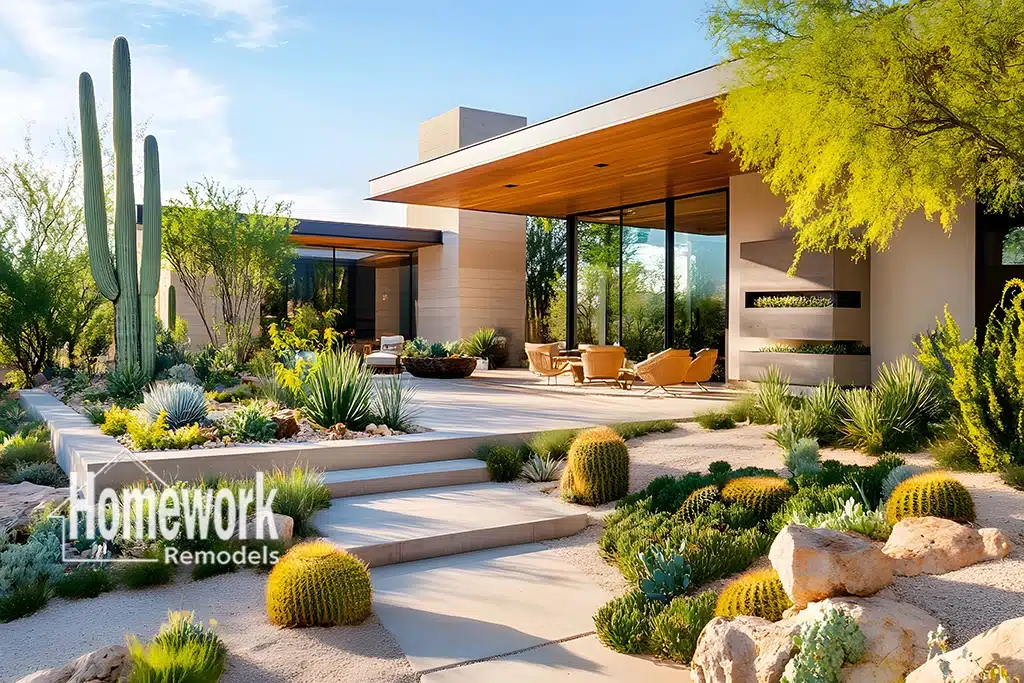
Outdoor living is another defining feature of mid-century modern architecture. Large windows, sliding glass doors, and covered patios were originally designed to blur the boundary between indoor and outdoor spaces. When additions are designed thoughtfully, they strengthen this relationship rather than interrupt it. Expanding living areas may create opportunities to frame backyard views, connect to patios, or introduce additional clerestory windows that bring natural light deep into the home.
Maintaining architectural authenticity is critical when designing additions to mid-century homes. Materials, rooflines, and proportions must all be carefully considered. Many homes influenced by architects like Ralph Haver rely on distinctive elements such as low-sloped roofs, exposed beams, block construction, and clerestory windows. A successful addition respects these elements so the new space feels like a natural extension of the original design.
Planning these projects requires more than creative design ideas. Structural engineering, building codes, and construction logistics must all be carefully coordinated. Foundations, roof structures, plumbing systems, electrical infrastructure, and HVAC must be integrated into the expanded structure without compromising the home’s architectural integrity.
Because mid-century homes often require specialized design sensitivity, many homeowners prefer a design-build remodeling approach. In a design-build process, designers and builders collaborate from the earliest stages of planning. This integrated approach allows homeowners to explore creative ideas while maintaining a clear understanding of structural requirements, costs, and construction timelines. Homeowners interested in learning more about the architectural heritage of these homes can also explore resources like the Guide to Ralph Haver Neighborhoods.
In some cases, homeowners initially plan a modest addition but later discover that a broader modernization may produce the most cohesive result. Expanding one area of the home can reveal opportunities to improve other spaces as well, allowing the home to evolve while preserving its architectural identity.
For owners of mid-century modern homes, expanding a house is not simply about adding square footage. It is about respecting the design philosophy that made these homes iconic in the first place. When additions are designed with care, they can enhance the home’s livability while preserving the clean lines, natural light, and architectural simplicity that define mid-century modern living.
If you would like to see how other homeowners have experienced the remodeling process, you can read these client remodeling testimonials. When you are ready to explore ideas for expanding your mid-century modern home, you can also schedule a consultation.