
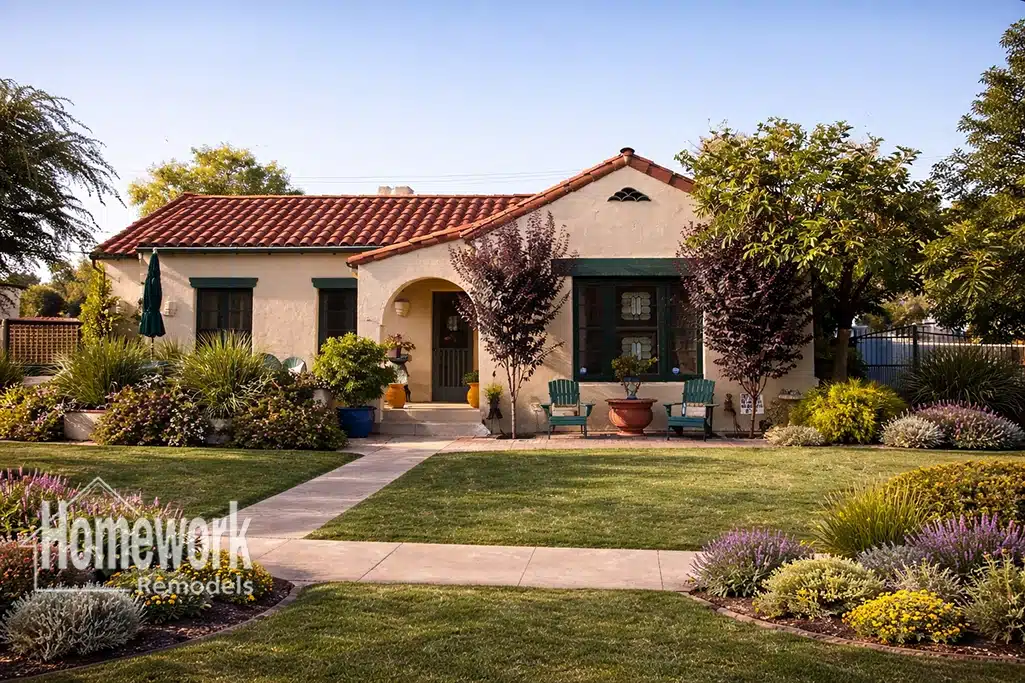
Roosevelt Historic District continues to evolve as one of downtown Phoenix’s most creative and culturally rich neighborhoods. Located near Roosevelt Row, Margaret T. Hance Park, and the downtown arts corridor, the area blends historic architecture with vibrant urban energy. Many homeowners are drawn to Roosevelt for its early twentieth-century bungalows, walkable streets, and artistic character, but older homes often require thoughtful updates to support modern lifestyles. Adaptive reuse remodeling has become an increasingly popular way to preserve architectural history while creating more flexible and functional living environments.
Adaptive reuse in residential remodeling focuses on reimagining how existing spaces are used rather than simply expanding square footage. In Roosevelt, homeowners are transforming enclosed dining rooms into creative workspaces, converting detached garages into guest suites, and redesigning underutilized areas into flexible multi-purpose living spaces. These projects help preserve the historic footprint and architectural integrity of the neighborhood while improving everyday usability.
Historic homes frequently contain unique design features that modern construction rarely replicates, including original wood flooring, plaster walls, built-in cabinetry, and handcrafted trim details. Rather than removing these elements, many homeowners choose to incorporate them into updated layouts that support contemporary urban living. A thoughtful remodeling strategy can improve comfort and function while still honoring the craftsmanship that defines Roosevelt’s historic identity.
Homeowners often begin by reviewing remodeling resources and learning more about the design-build remodeling process before starting a historic renovation. Understanding how planning, architecture, and construction work together is especially important in older homes where structural conditions and preservation considerations can significantly impact the remodeling approach.
Reimagining Historic Spaces for Modern Flexibility
Many Roosevelt homes were originally designed with formal room separations and limited flexibility. Today’s homeowners often prefer layouts that support remote work, entertaining, and multi-functional daily living. Adaptive reuse remodeling allows homeowners to modernize functionality without dramatically altering the exterior character of the home.
One common strategy involves carefully opening connections between kitchens, dining spaces, and living rooms while maintaining architectural transitions that preserve the home’s historic feel. Projects involving open concept remodeling in Roosevelt can improve circulation and natural light while still respecting the scale and proportions of the original structure.
Structural updates in historic homes require careful planning and engineering expertise. Older framing systems, masonry walls, and aging foundations can present challenges that differ significantly from modern construction. Homeowners considering layout changes often review guidance related to structural remodeling and wall removal and explore local expertise through load-bearing wall removal in Roosevelt homes.
Creative adaptive reuse projects may also include converting unused attic areas into studios, redesigning enclosed porches into year-round living spaces, or integrating custom storage solutions into older floor plans. These improvements can significantly increase livability without sacrificing the historic personality that makes Roosevelt homes unique.
Planning Adaptive Reuse Projects in Roosevelt Historic District
Because many Roosevelt properties sit on compact urban lots, homeowners often prioritize efficient use of existing square footage before considering major additions. Adaptive reuse remodeling can help maximize functionality while maintaining the neighborhood’s historic streetscape and architectural rhythm.
Projects involving whole home remodeling in Roosevelt Historic District frequently combine kitchen upgrades, circulation improvements, and preservation-sensitive design updates into one cohesive renovation strategy. Homeowners may also explore historic home remodeling ideas to better understand how historic preservation and modern urban living can work together.
Detached garages and accessory structures also provide opportunities for adaptive reuse. Some homeowners transform these spaces into art studios, guest suites, rental units, or flexible workspaces that support changing lifestyle needs. Reviewing information about casitas and ADUs can help homeowners evaluate long-term possibilities while remaining sensitive to historic district considerations.
Kitchen remodeling remains central to many adaptive reuse projects because older kitchens often lack efficient layouts and sufficient storage. Updated kitchens that improve flow and usability while incorporating vintage-inspired materials can help preserve the overall character of the home. Homeowners exploring kitchen remodeling in Roosevelt frequently focus on balancing contemporary convenience with timeless design details appropriate for historic architecture.
Historic Remodeling Insight
Adaptive reuse remodeling works best when homeowners focus on enhancing how a home functions rather than erasing its history. Preserving original architectural details while thoughtfully introducing flexible modern spaces creates homes that feel authentic, comfortable, and connected to the surrounding neighborhood. In Roosevelt Historic District, successful remodels often celebrate the imperfections and craftsmanship that give older homes their lasting character.
Balancing Preservation and Urban Livability
Historic downtown neighborhoods like Roosevelt continue to attract homeowners who value creativity, walkability, and architectural authenticity. Remodeling projects that preserve original materials while improving comfort and efficiency help maintain the neighborhood’s cultural identity while supporting long-term livability.
At the same time, thoughtful modernization can improve energy efficiency, indoor comfort, and daily usability without compromising historic appeal. Many Roosevelt homeowners prioritize upgrades that feel subtle and integrated rather than overly modern or visually disconnected from the surrounding neighborhood.
Homeowners planning adaptive reuse projects often review educational resources such as remodeling older homes without losing character and the open concept remodeling guide to better understand how preservation-focused remodeling decisions impact both functionality and long-term value.
Adaptive reuse remodeling allows Roosevelt homeowners to create homes that reflect contemporary urban living while preserving the architectural history that makes downtown Phoenix neighborhoods so distinctive. With careful planning and preservation-sensitive design, historic homes can continue serving modern lifestyles for generations to come.
Homework Remodels is a Phoenix-based design-build remodeling company serving Roosevelt Historic District, Willo, Encanto-Palmcroft, F.Q. Story, and surrounding communities across the Valley. Our team specializes in thoughtful renovations, historic home remodeling, and architectural transformations that preserve the character of established Phoenix neighborhoods.