
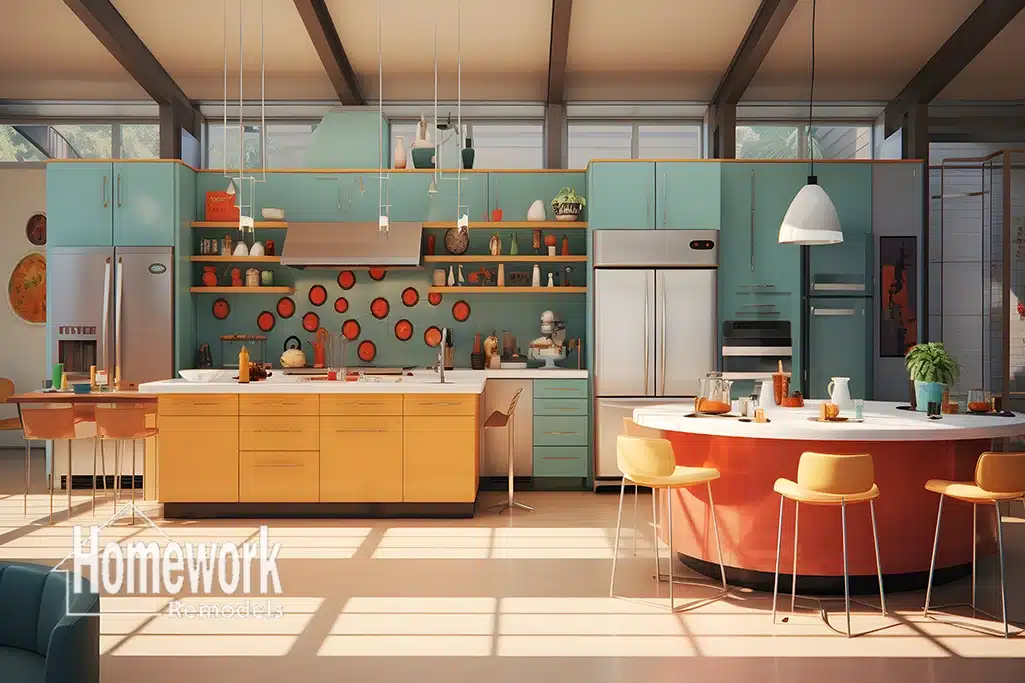
Restoring Natural Light in Mid-Century Ranch Homes
Throughout Phoenix neighborhoods such as Village Grove, Arcadia Lite, Windsor Square, and Marlen Grove, Mid-Century ranch homes remain admired for their simple forms, clean lines, and bright, welcoming interiors. Unlike many homes built in other architectural styles, Mid-Century ranch homes were intentionally designed to celebrate daylight. Large windows, clerestory glazing, sliding glass doors, and open floor plans allowed sunlight to become an integral part of everyday living.
Over time, however, many of these homes have lost some of that original brightness. Previous renovations, additions, mature landscaping, outdated window systems, and compartmentalized layouts can all reduce the amount of natural light entering the home. Thoughtful remodeling provides an opportunity to restore this defining architectural feature while preserving the integrity of the original design.
Natural Light Was Central to Mid-Century Living
Mid-Century architects believed homes should respond to their environment rather than separate occupants from it. In Arizona, where sunlight is abundant throughout the year, carefully managing daylight became an essential design principle.
Rather than depending solely on artificial lighting, these homes used orientation, roof overhangs, clerestory windows, and expansive glazing to distribute natural light evenly throughout interior spaces.
Many homeowners begin their remodeling journey by exploring the Homework Remodels Resources page and learning how design-build remodeling supports architectural planning from the earliest stages of a project.
Additional insight is available through the Mid-Century Modern Home Remodeling Guide and the Core Guide on Design-Build vs. Traditional Remodeling.
Understanding how the original home was intended to capture daylight helps homeowners make renovation decisions that strengthen rather than diminish its architectural character.
Common Remodeling Decisions Can Reduce Daylight
Many Mid-Century homes have undergone renovations over the decades that unintentionally interfere with natural light. Interior partitions may have been added, windows replaced with smaller units, or heavy finishes installed that absorb rather than reflect light.
Fortunately, many of these changes can be reversed.
Homeowners considering layout improvements often explore the Open Concept Remodeling Guide along with Open Concept Remodeling Ideas to understand how thoughtful planning can improve daylight distribution while respecting the home’s original architecture.
Kitchen remodeling can also play an important role. Simplifying cabinetry layouts, improving sightlines, and selecting lighter yet architecturally appropriate finishes often allow daylight to travel farther into adjacent living spaces. Many homeowners find inspiration through Kitchen Remodeling Ideas.
The objective is not simply to brighten the home but to restore the quality of light that originally defined the Mid-Century living experience.
Structural Improvements That Support Light and Flow
Restoring natural light sometimes requires structural changes that improve circulation and eliminate visual barriers.
Projects involving Removing Load-Bearing Walls can help reconnect kitchens, living rooms, and dining areas while allowing daylight to move freely throughout the home. These modifications should always be carefully engineered to preserve rooflines, beam systems, and architectural proportions.
Homeowners can learn more through the Core Guide on Structural Remodeling: What Homeowners Need to Understand Before Removing Walls.
For more comprehensive renovations, Whole Home Remodeling provides an opportunity to evaluate lighting, circulation, storage, and functionality as one coordinated architectural solution.
When improvements are planned holistically, natural light becomes an organizing element that benefits the entire home.
Our Phoenix kitchen and great-room remodel replaced an unused exterior door with a picture window beside floating dining cabinetry.
Design Insight from a Design-Build Remodeler
Natural light is one of the defining materials of Mid-Century Modern architecture. It shapes how rooms feel, emphasizes clean architectural lines, and strengthens the relationship between interior spaces and the surrounding landscape. Successful remodeling doesn’t simply add more windows—it carefully restores the pathways through which daylight moves across the home, preserving the balance and openness that Mid-Century architects originally envisioned.
A Brighter Home That Remains Architecturally Authentic
Restoring natural light enhances more than aesthetics. Bright interiors often feel larger, more welcoming, and more comfortable throughout the day while reducing dependence on artificial lighting.
Equally important, preserving the home’s original daylight strategy helps maintain its architectural authenticity and long-term value.
Homeowners interested in preservation-focused remodeling often explore Remodeling Historic Homes along with the Core Guide on Remodeling Older Homes Without Losing Character.
For additional inspiration, many homeowners review Whole Home Remodeling Ideas and Outdoor Living Remodeling Ideas when planning future improvements.
Ultimately, restoring natural light allows Mid-Century ranch homes to once again reflect the openness, warmth, and architectural clarity that made them so revolutionary when they were first built.
Natural light has always been one of the defining characteristics of Mid-Century ranch homes. By thoughtfully restoring daylight through preservation-focused remodeling, homeowners can improve comfort, functionality, and energy efficiency while protecting the architectural qualities that continue to make these homes some of Phoenix’s most treasured residences.
Homework Remodels is a Phoenix-based award-winning design-build remodeling company serving Mid-Century Modern neighborhoods throughout Phoenix, Arcadia Lite, Village Grove, Windsor Square, Scottsdale, and surrounding communities across the Valley. Our team specializes in thoughtful renovations that preserve architectural character while creating homes designed for generations of comfortable living.