
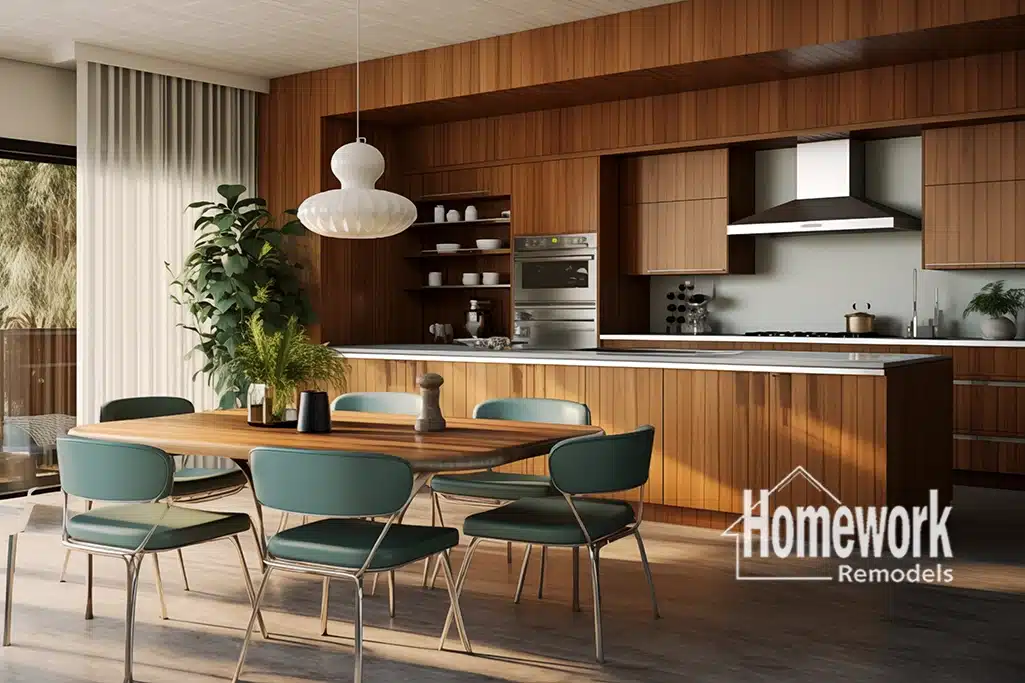
Why Clean Lines Matter in Mid-Century Design
Throughout Phoenix neighborhoods like Village Grove, Windsor Square, and Arcadia Lite, Mid-Century Modern homes remain admired for their simplicity, balance, and timeless architectural character. Unlike many traditional home styles that rely on ornamentation and decorative detail, Mid-Century Modern architecture was intentionally designed around clean horizontal lines, open spaces, and visual simplicity. These principles helped create homes that felt modern, functional, and deeply connected to the surrounding desert environment.
Today, homeowners remodeling Mid-Century Modern homes in Phoenix often want to preserve these defining architectural features while improving comfort and functionality for modern living. Understanding why clean lines matter in Mid-Century design is an important part of making renovation decisions that maintain authenticity instead of unintentionally disrupting the home’s original character.
Clean Lines Create Visual Simplicity and Architectural Balance
One of the most recognizable aspects of Mid-Century Modern design is its visual restraint. Rooflines, cabinetry, windows, and structural elements were designed to create uninterrupted flow rather than visual clutter. Horizontal emphasis helped homes feel grounded and expansive while supporting a calm and organized living environment.
Many iconic Phoenix Mid-Century homes, including Ralph Haver designs, used long roof overhangs, flat planes, geometric forms, and carefully aligned sightlines to establish architectural rhythm. Preserving these features during remodeling helps maintain the original design intent.
Homeowners beginning a renovation often explore the Homework Remodels Resources page to better understand how thoughtful planning supports architectural preservation. Many also review the benefits of design-build remodeling when coordinating structural, design, and construction decisions within older homes.
Maintaining clean lines often means simplifying visual transitions between rooms, reducing unnecessary detailing, and selecting finishes that complement rather than overpower the architecture. These decisions become especially important in kitchens, living spaces, and primary gathering areas where the home’s architectural character is most visible.
Additional guidance can be found through the Mid-Century Modern Home Remodeling Guide and the article on remodeling older homes without losing character.
Why Over-Designing Can Undermine Mid-Century Architecture
One of the most common mistakes in Mid-Century remodeling is introducing too many decorative elements that conflict with the home’s original simplicity. Oversized trim, ornate cabinetry, heavy textures, or highly segmented layouts can disrupt the visual clarity that defines authentic Mid-Century design.
Clean lines help create continuity between indoor and outdoor spaces, which was a foundational principle of Mid-Century architecture in Phoenix. Large windows, sliding glass doors, and open living areas were intended to connect homeowners with natural light and desert landscapes rather than isolate rooms from one another.
Homeowners considering layout changes often explore the open concept remodeling guide and browse open concept remodeling ideas to better understand how modern functionality can be achieved without losing architectural simplicity.
Similarly, kitchens should feel integrated into the overall architecture of the home rather than designed as standalone showpieces. Reviewing kitchen remodeling ideas can help homeowners prioritize clean transitions, functional layouts, and timeless material selections.
For larger renovations, thoughtful planning through whole home remodeling strategies can help maintain visual consistency throughout the entire property.
Structural Remodeling That Supports Clean Architectural Flow
Many Mid-Century homes were designed decades before modern open-living expectations became common. Some homeowners may choose to remove walls or reconfigure layouts to improve circulation and natural light while still preserving the architectural identity of the home.
The key is ensuring structural changes reinforce simplicity rather than introduce unnecessary complexity.
Projects involving removing load-bearing walls often require careful coordination between engineering and architectural planning. In Mid-Century homes, preserving ceiling lines, window alignment, and visual openness is especially important during structural modifications.
Homeowners can learn more through the guide on structural remodeling and wall removal and educational resources about planning a remodel.
Many homeowners also explore specialized services such as Phoenix Mid-Century Modern remodeling and Arcadia Lite Mid-Century modernization when evaluating long-term renovation goals.
Design Insight from a Design-Build Remodeler
Clean lines are not simply an aesthetic preference in Mid-Century Modern design. They are part of the architectural framework that creates balance, openness, and visual calm throughout the home. During remodeling, maintaining alignment between windows, ceiling planes, cabinetry, and circulation paths helps preserve the integrity of the original architecture. In many cases, simplifying a design decision rather than adding complexity produces the most authentic Mid-Century result.
Timeless Design Often Comes from Simplicity
One reason Mid-Century Modern homes remain so desirable decades after they were built is their ability to feel timeless without relying on trends. Clean lines, thoughtful proportions, and uncluttered spaces continue to appeal to homeowners because they create environments that feel both functional and visually calming.
Authentic remodeling respects these principles by focusing on proportion, natural materials, and cohesive architectural flow rather than temporary design trends.
Homeowners researching preservation-focused remodeling may benefit from resources such as historic home remodeling and whole home remodeling ideas.
Understanding long-term project planning is also important, especially when renovating older homes. Educational articles like why remodeling timelines feel so uncertain and remodeling systems that work help homeowners approach renovation decisions more strategically.
Ultimately, clean lines remain central to Mid-Century Modern architecture because they support simplicity, balance, and enduring design clarity.
Mid-Century Modern remodeling is most successful when it preserves the architectural simplicity that defines the style. In Phoenix neighborhoods known for Mid-Century homes, clean lines continue to shape how these properties function, feel, and connect with the surrounding environment. Thoughtful remodeling decisions can modernize a home while still honoring the timeless principles that made Mid-Century Modern architecture iconic in the first place.
Homework Remodels is a Phoenix-based design-build remodeling company serving Mid-Century Modern neighborhoods throughout Phoenix, Arcadia Lite, Scottsdale, and surrounding communities across the Valley. Our team specializes in thoughtful renovations, architectural preservation, and remodeling solutions designed to respect the character of classic Arizona homes.